
Must-Do Experiences
48 spots
The Big Island's must-do list is unlike any other island — where else can you see an active volcano, stargaze at 14,000 feet, and swim with manta rays in the same trip?

Chase Lava and Volcanic Drama
Hawaiʻi Volcanoes National Park in the Volcano area is the Big Island's crown jewel—where you can literally watch the Earth create itself. The Kīlauea Crater rim trail offers the most accessible views of active volcanic activity, while the Chain of Craters Road takes you through otherworldly landscapes down to where lava once met the ocean. Skip the expensive helicopter tours unless lava is actively flowing; the park's ground-level experiences are just as powerful and way more intimate.
Snorkel with Manta Rays on the Kona Coast
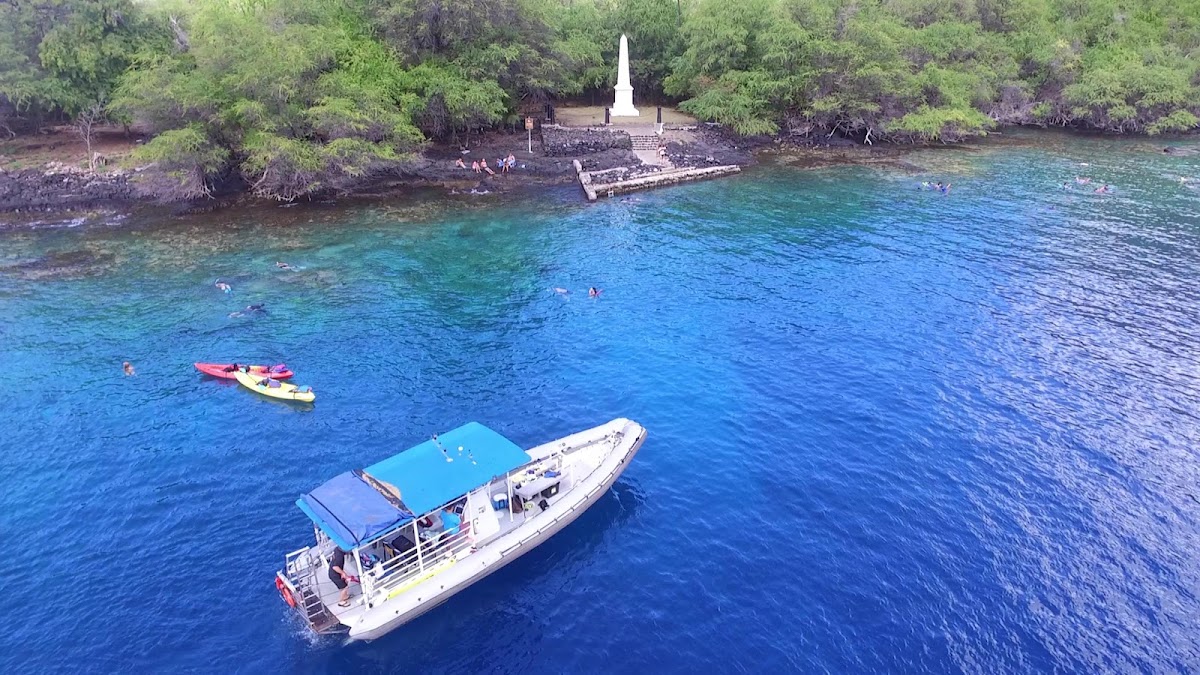
The nighttime manta ray snorkel off the Kona Coast is pure magic—these gentle giants with 14-foot wingspans glide inches from your face as they feed on plankton attracted by underwater lights. Book with a reputable operator like Manta Ray Advocates or Fair Wind Cruises who prioritize the animals' wellbeing. During the day, hit Kealakekua Bay for some of the island's clearest snorkeling, though you'll need to kayak or hike in since they've restricted boat access.
Experience Cowboy Country in Waimea
Most visitors skip Waimea (Kamuela), but this cool, misty ranch town offers a completely different side of island life. Grab breakfast at Village Burger or coffee at Waimea Coffee Company, then explore the rolling green hills that look more like Scotland than tropical paradise. The contrast with the coastal areas is striking, and you'll understand why this region became the heart of Hawaiian ranching culture.
Hunt Waterfalls Along the Hamakua Coast
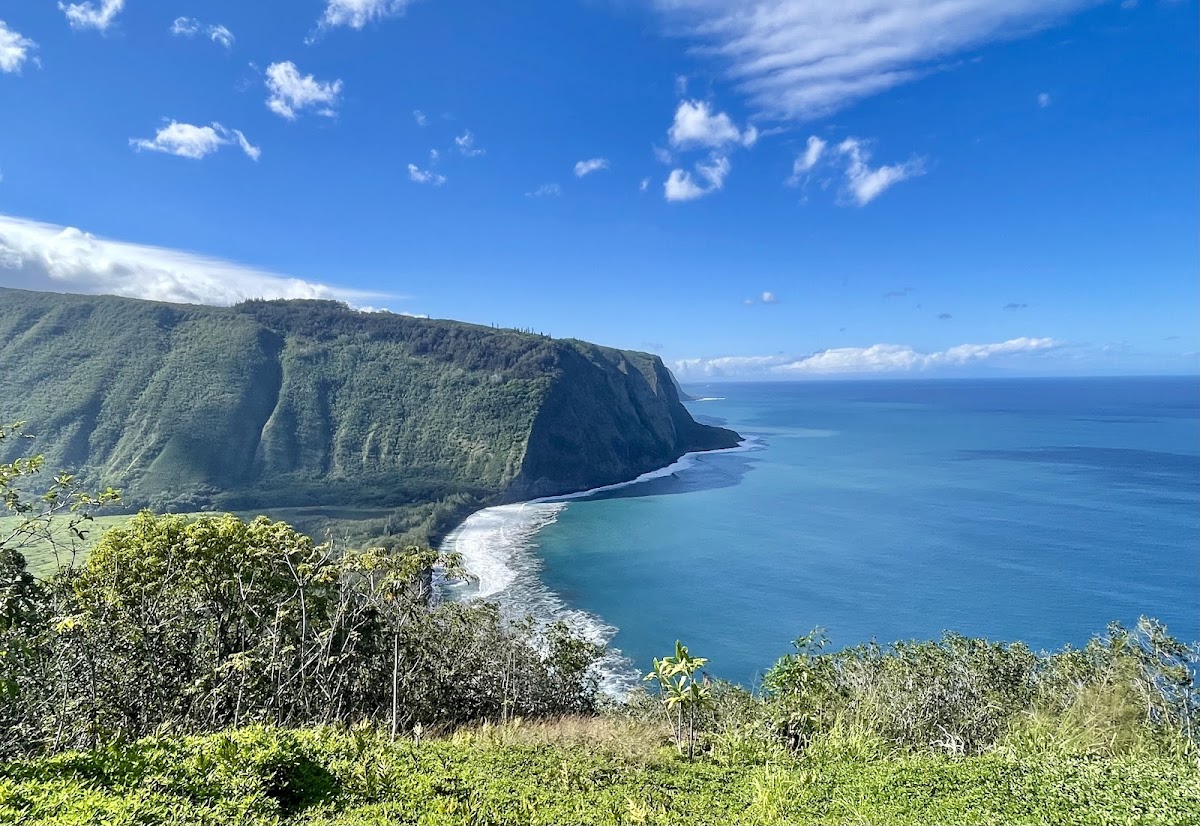
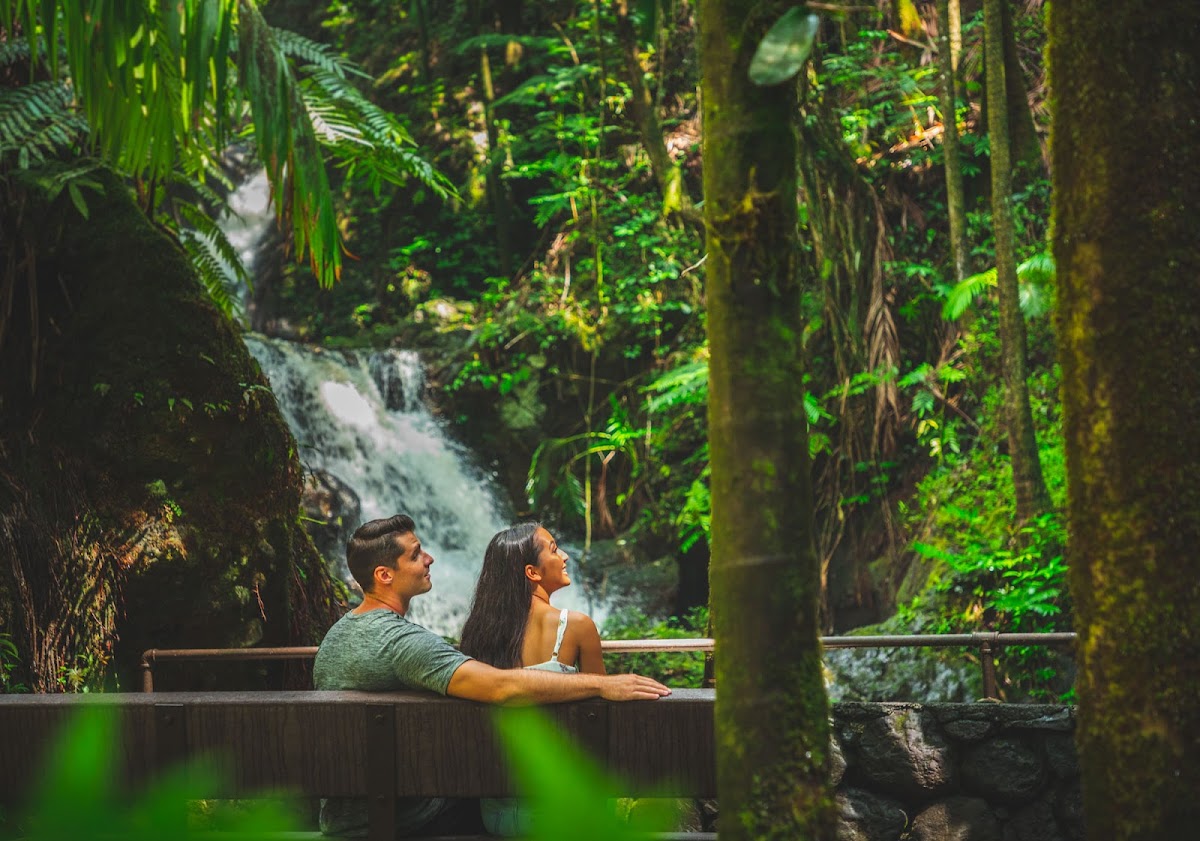
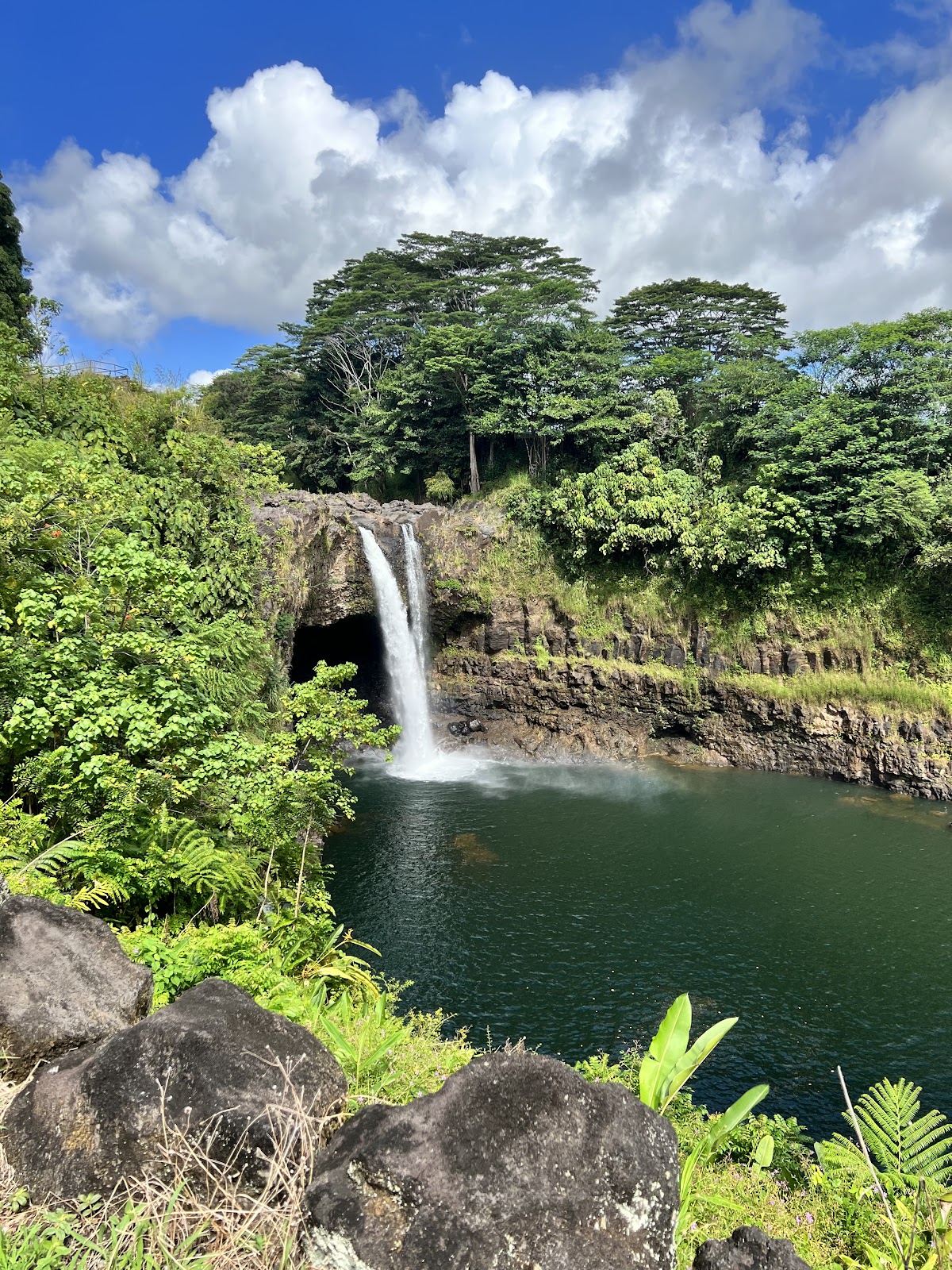
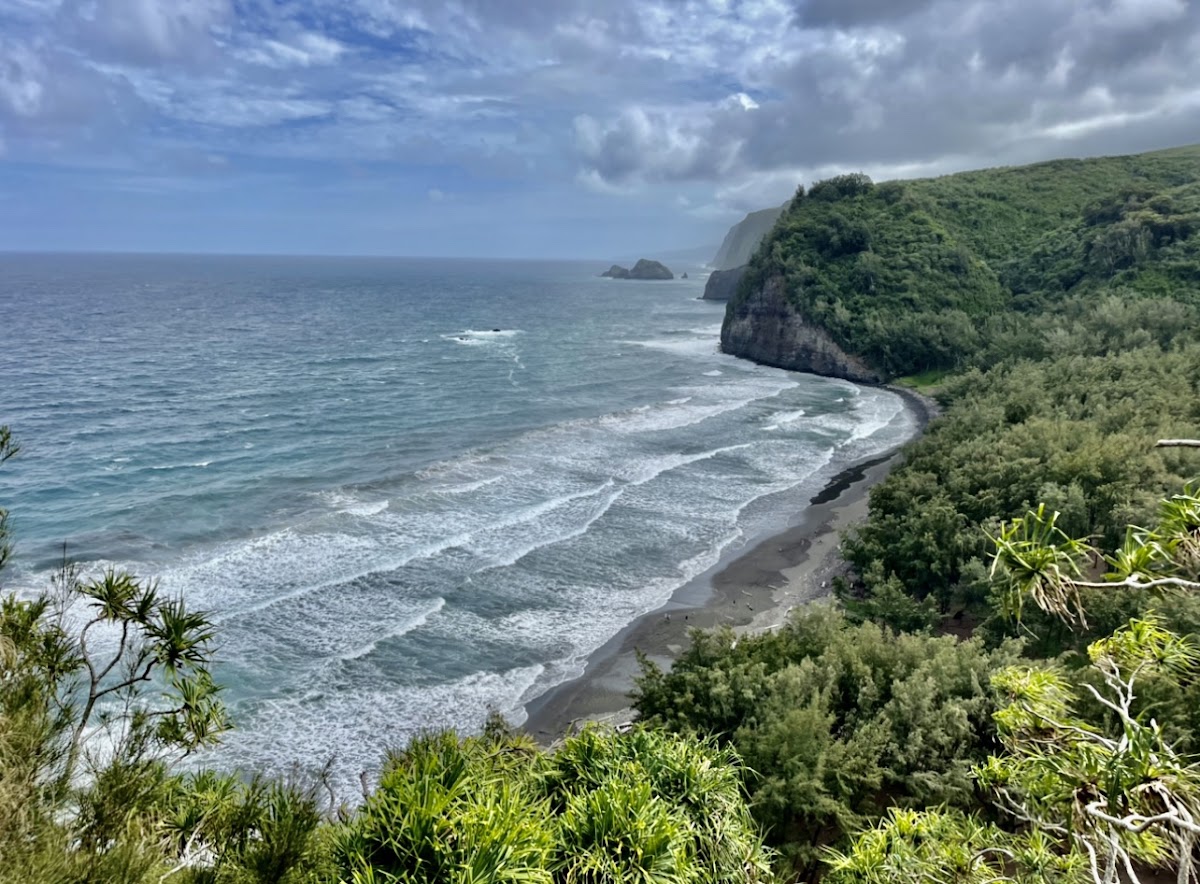
The drive from Hilo up the Hamakua Coast to Waipiʻo Valley is waterfall heaven, especially after recent rains. Rainbow Falls near Hilo is the easy crowd-pleaser, but Akaka Falls State Park delivers the real drama with its 442-foot plunge through lush jungle. End at Waipiʻo Valley lookout for sweeping views of the 'Valley of the Kings'—and if you're feeling adventurous, hike down to the black sand beach below.
Frequently Asked Questions
How many days do I need on the Big Island?
Five to seven days gives you enough time to hit the major experiences without rushing. You'll want at least two days around Volcano National Park, a day for Kona Coast water activities, and time to explore either the Hamakua Coast waterfalls or Waimea's ranch country. The island is big—about the size of Connecticut—so factor in driving time between regions.
Which side of the Big Island should I stay on?
Kona (west side) has the best weather, beaches, and restaurants, making it ideal for most visitors. Hilo (east side) is rainier but closer to Volcano National Park and the waterfalls, plus it's more authentic and affordable. Many people split their stay between both sides to experience the island's diversity.
When is the best time to see active lava?
Volcanic activity is unpredictable—Kīlauea can be active for months then go quiet for years. Check the USGS Hawaiian Volcano Observatory website before your trip for current conditions. Even when there's no glowing lava, the park's steam vents, sulfur banks, and massive crater views are still incredible.
What's the deal with Waipiʻo Valley—can I drive down?
Only 4WD vehicles can handle the steep, narrow road into Waipiʻo Valley, and it's seriously challenging even then. Most visitors enjoy the spectacular views from the lookout, or join a guided tour with companies that have proper vehicles. The hike down is doable but steep—about 25 minutes down, 45 minutes back up.
Are the Big Island's beaches swimmable?
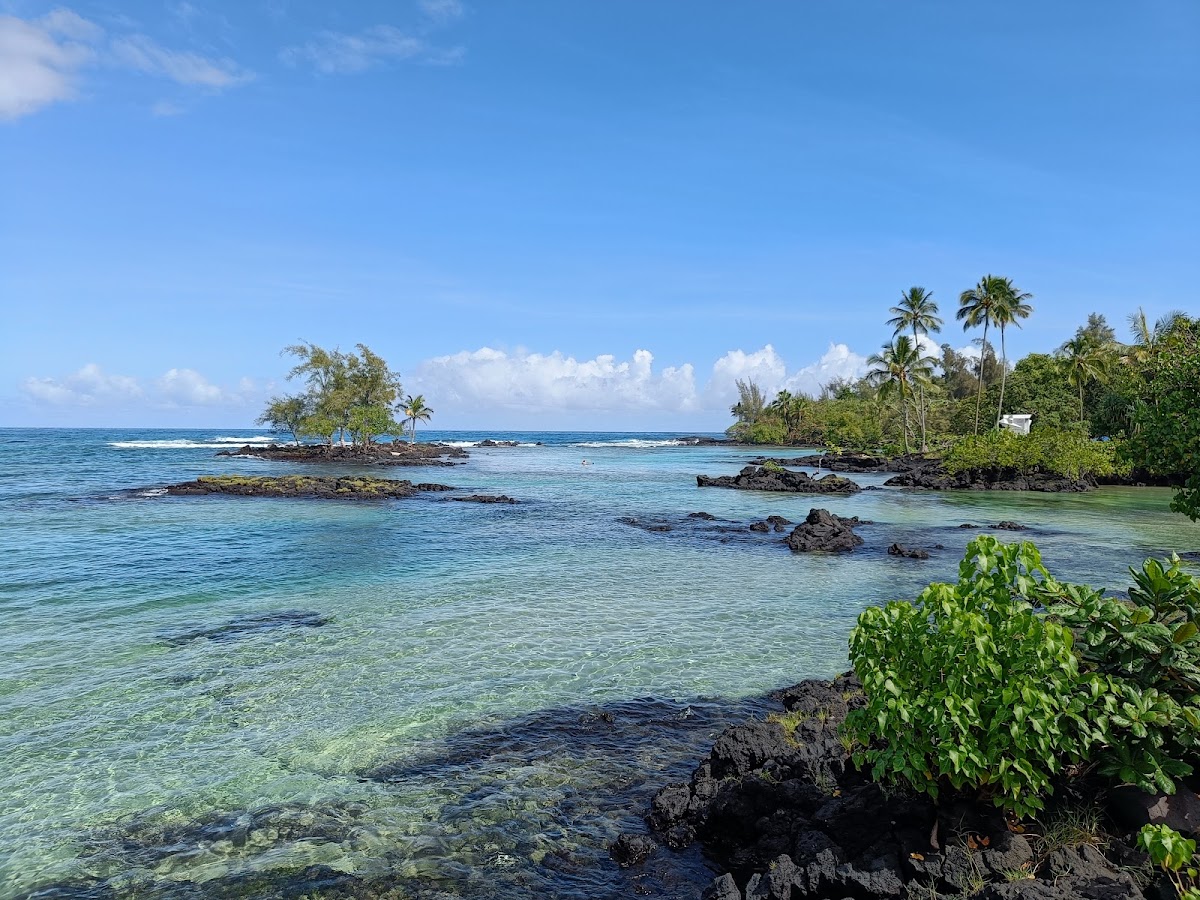
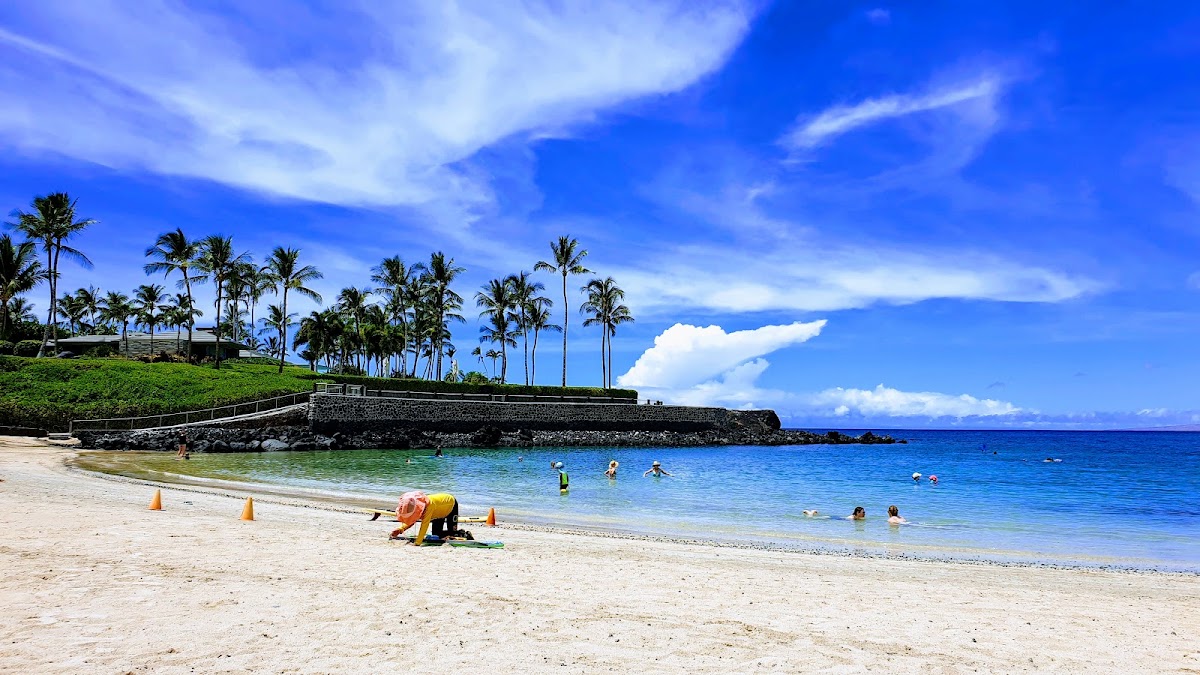
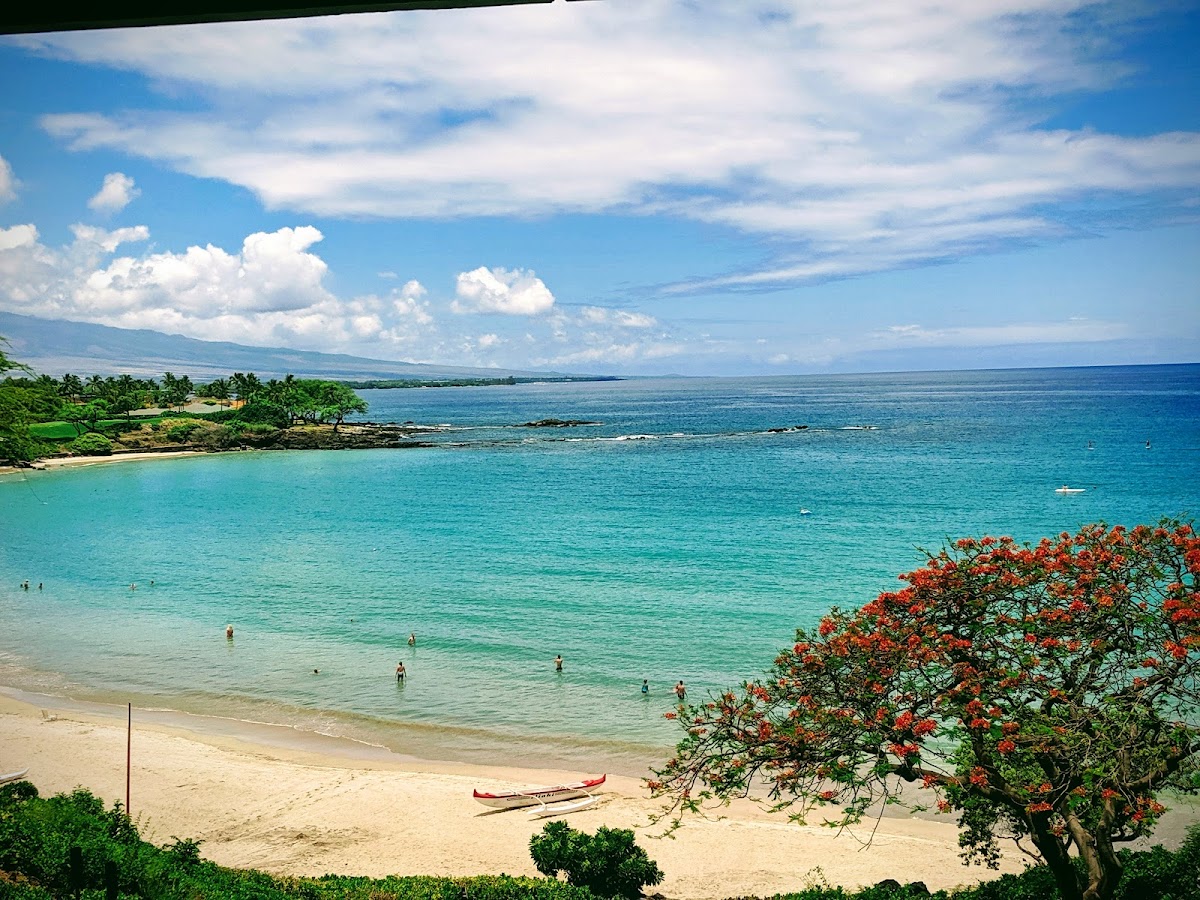
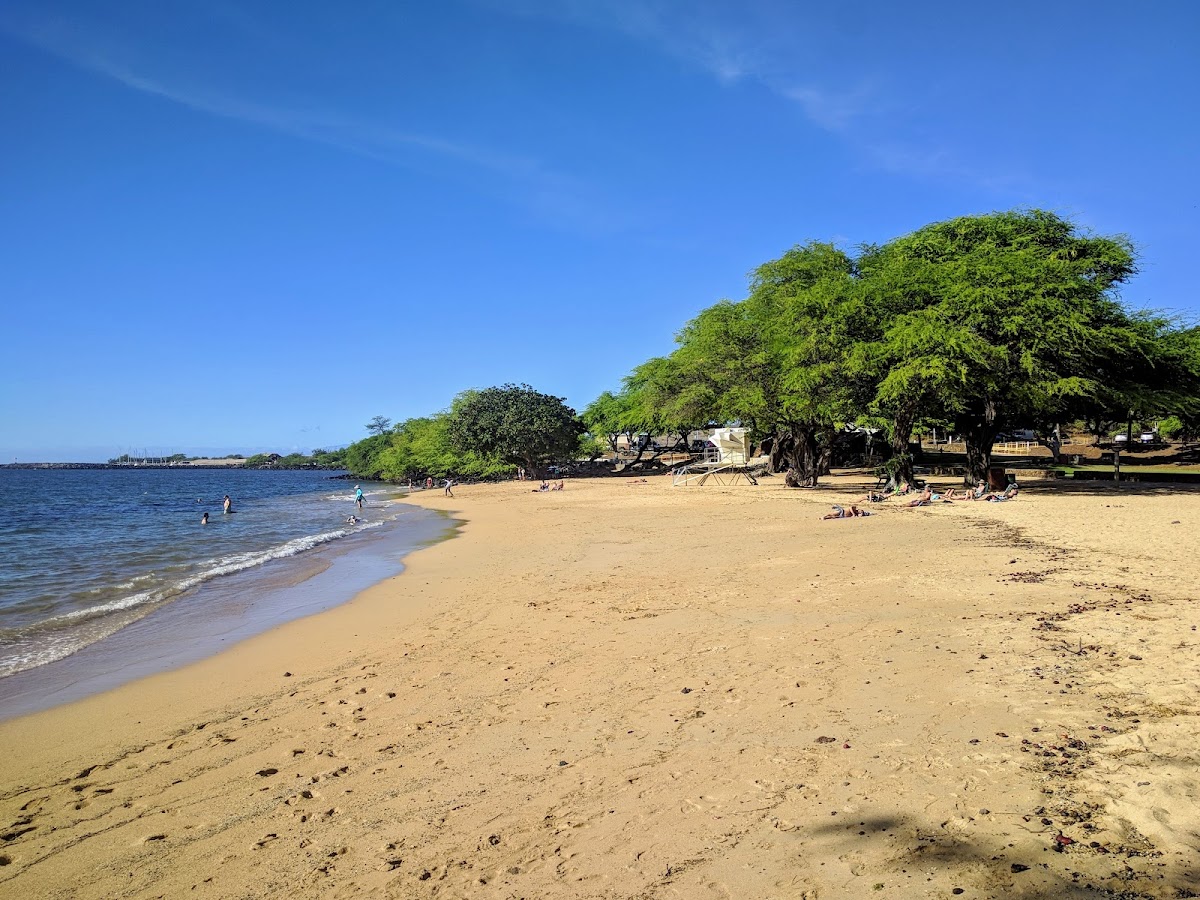
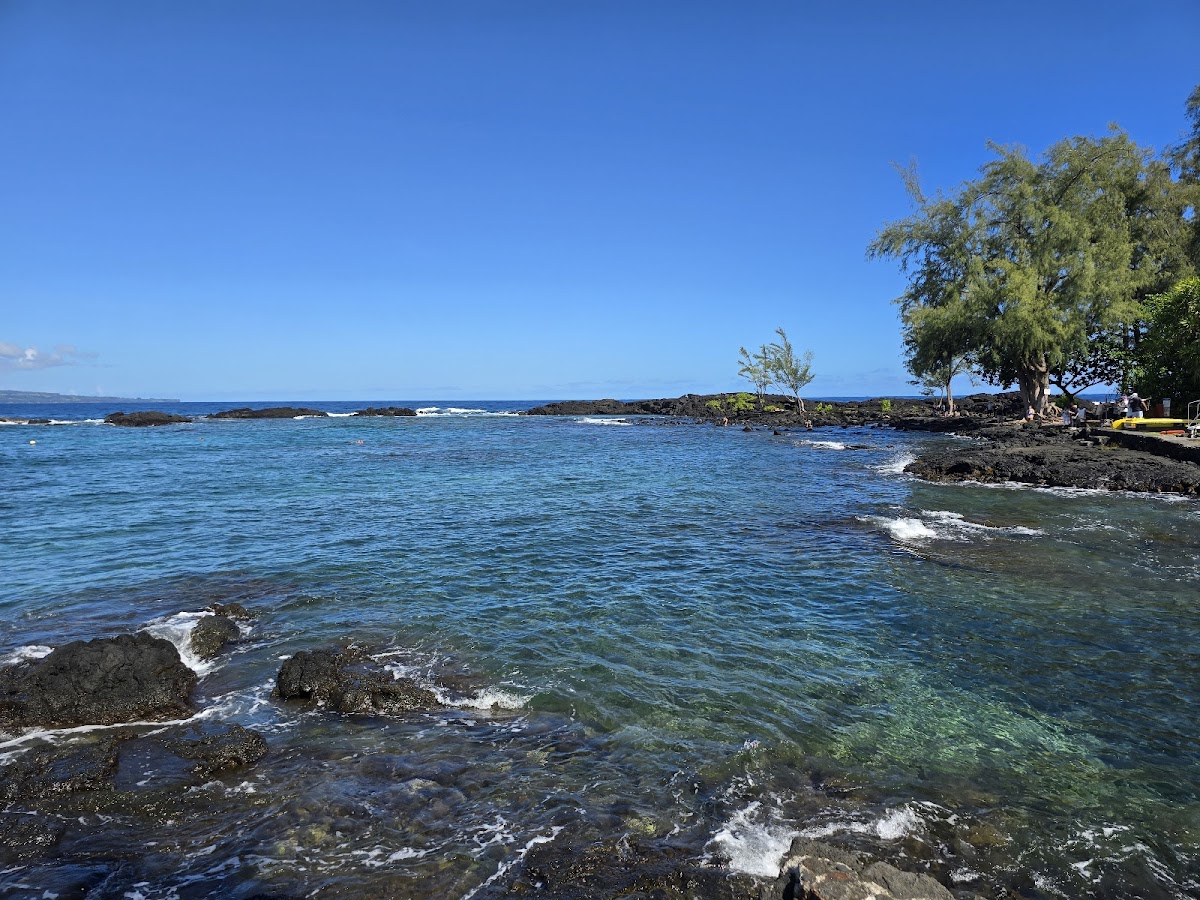
The Kona and Kohala coasts have the best swimming beaches with calm, clear water—try Hapuna Beach or Kaunaʻoa Bay. Hilo side beaches are often rougher with black sand that gets scorching hot. Always check with locals about conditions, and remember that Hawaiian beaches have no lifeguards outside of a few resort areas.