
💎 Hidden Gems
1 spots
The Big Island is full of surprises if you know where to look — secret tide pools, lava tube caves, and tiny roadside stands serving the best food on the island.
1 spots
Secret Beaches That Locals Actually Visit
Skip the crowded tourist beaches and head to Richardson's Black Sand Beach in Hilo, where warm springs bubble up through the volcanic sand—it's like nature's hot tub. On the Kona Coast, locals love Kua Bay (officially Manini'owali Beach) for its powder-soft white sand, but get there before 10am or you'll be hunting for parking. For something truly special, hike down to Green Sand Beach near South Point—yes, it's a trek, but that olivine-tinted sand is one of only four green sand beaches in the world.
Waterfalls Without the Tour Groups
Everyone goes to Rainbow Falls, but the real magic is at Pe'epe'e Falls just upstream—same river, half the crowds, and you can actually swim in the pools. In the Hamakua Coast area, skip the packed Akaka Falls parking lot and instead seek out Waiale Falls, a stunning 1,450-foot cascade that most visitors never even know exists. The 20-minute hike through bamboo forest feels like stepping into Jurassic Park.
Food Spots That Don't Make the Guidebooks
In Waimea, locals line up at Big Island Brewhaus not just for the beer, but for their surprisingly incredible wood-fired pizzas made with local ingredients. Down in Volcano, Eagle's Lighthouse Cafe serves the kind of hearty comfort food you crave after a day of hiking lava tubes, and their lilikoi pancakes are legendary among park rangers. For the ultimate local experience, hit up a Hilo farmer's market vendor for fresh poke—it doesn't get more authentic than eating it from a paper container while sitting on a curb.
Adventures Beyond the Obvious
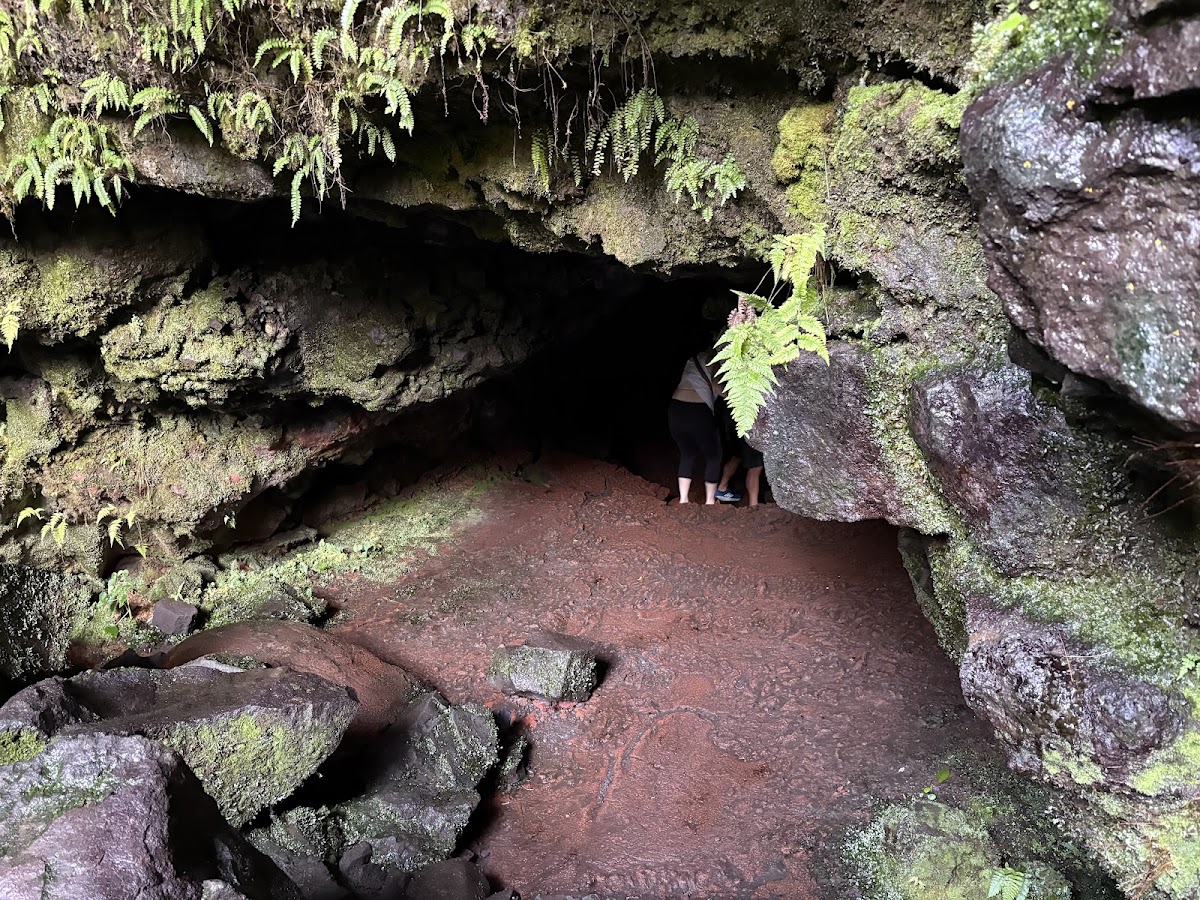
While everyone's booking expensive volcano helicopter tours, you can explore actual lava tubes for free at Kaumana Caves near Hilo—bring a headlamp and prepare to feel like an underground explorer. The Kohala Coast offers some of the island's best snorkeling at spots like Puako, where the reef is healthy and the fish are abundant, but you'll need to ask locals for the unmarked access points. In Volcano area, the Thurston Lava Tube gets all the attention, but the unmarked Emesine Cave system nearby offers a more adventurous spelunking experience for those willing to venture off-trail.
Frequently Asked Questions
What's the best hidden gem area for first-time Big Island visitors?
Start with the Kona Coast—it has the most accessible hidden spots like Kua Bay and the Kaumana Caves, plus you're close to good restaurants and accommodations. The weather is also more predictable on the leeward side, so you won't get rained out of your plans.
Are Big Island's hidden beaches safe for swimming?
It depends entirely on the specific beach and conditions—Richardson's Black Sand Beach in Hilo is generally calm and safe, while places like Green Sand Beach can have dangerous currents. Always ask locals about current conditions, and when in doubt, stick to snorkeling rather than swimming in open ocean spots.
How much hiking is required to reach Big Island's hidden gems?
Most of the best hidden spots require at least some walking—expect 10-20 minutes for places like Pe'epe'e Falls or Waiale Falls, and up to 2 hours round-trip for Green Sand Beach. The payoff is always worth it, and the hikes help filter out the crowds.
What's the best time of day to visit hidden gems on Big Island?
Early morning is golden—you'll have better lighting for photos, cooler temperatures for hiking, and you'll beat the crowds to popular spots like Kua Bay. Many of the waterfall areas are also less crowded in the early afternoon when most people are at lunch.
Do I need special equipment for Big Island's hidden adventures?
Bring a good headlamp or flashlight for lava tube exploring, reef-safe sunscreen (it's the law), and sturdy shoes with grip for volcanic rock. A small cooler with water and snacks is essential since many hidden gems are far from stores or facilities.