
Hilo
15 spots
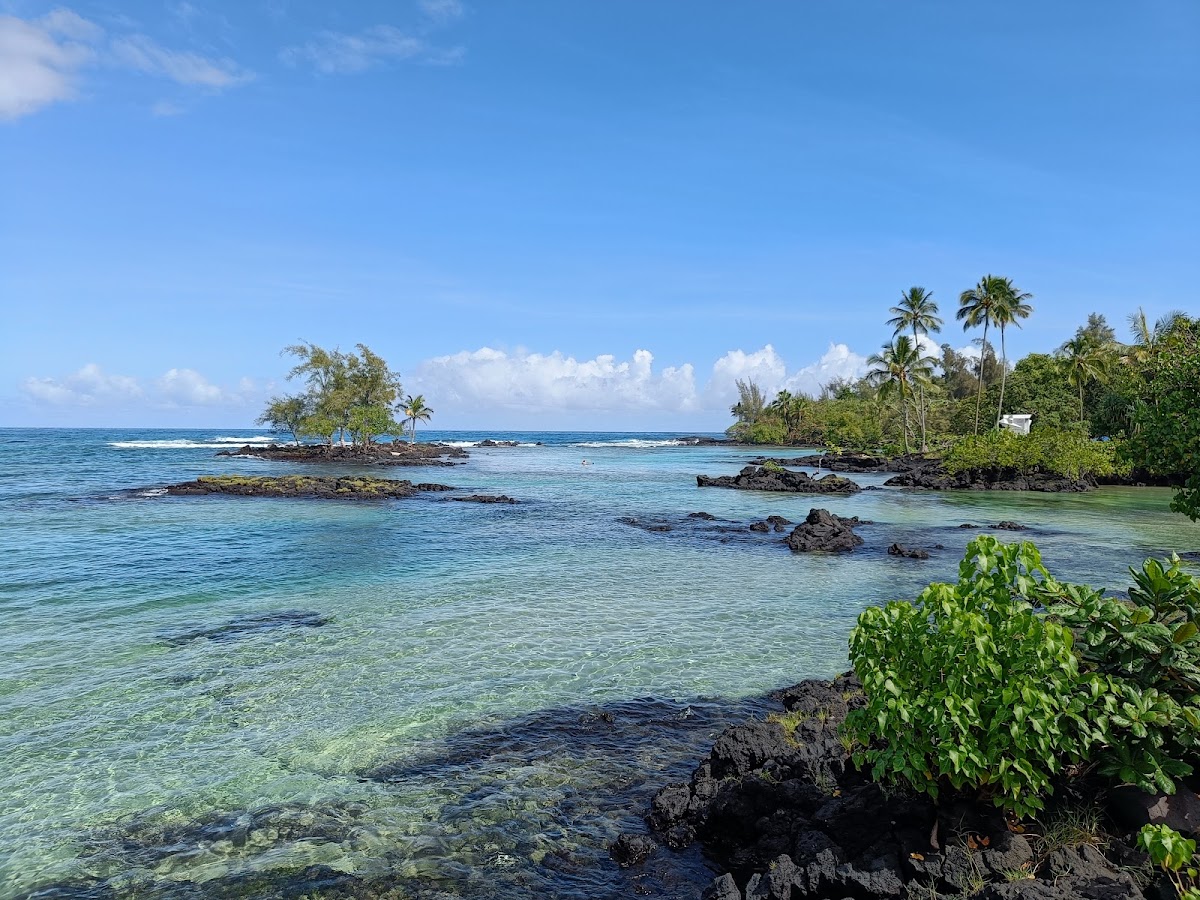
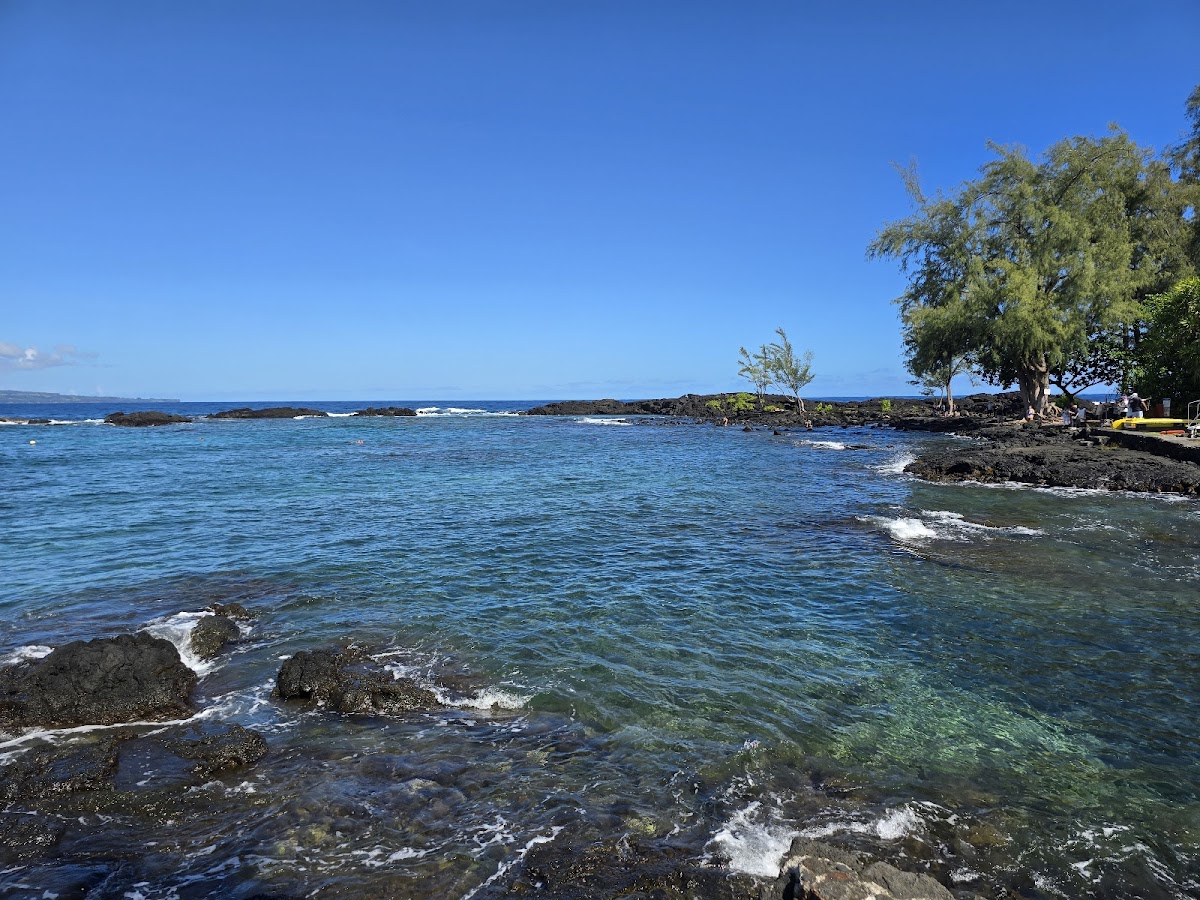
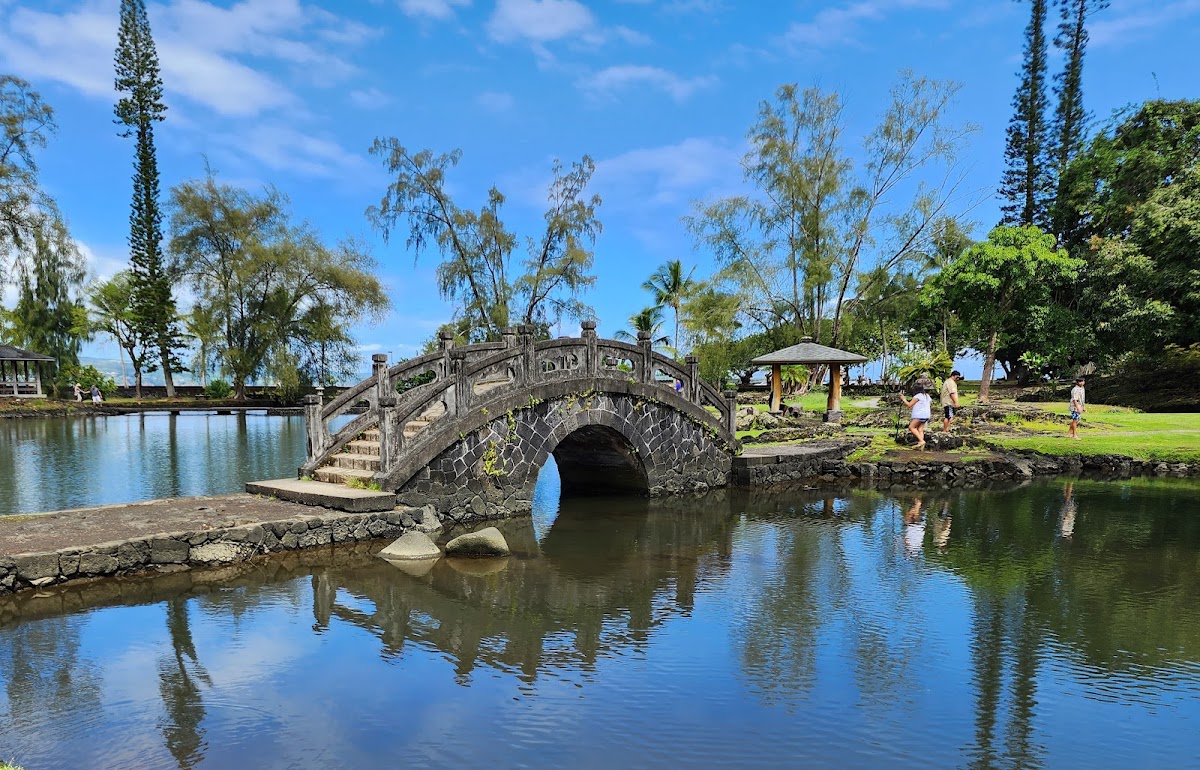
Hilo is the Big Island's rainforest city — lush, green, and uncrowded. Waterfalls, farmers markets, and a historic downtown that's authentically Hawaiian.





Getting to Hilo
Most visitors fly into Kona, but if you're staying on the east side, consider flying directly into Hilo Airport instead—it's smaller, less crowded, and you'll be exploring within minutes. The drive from Kona to Hilo takes about 2.5 hours via the northern route through Waimea, which is honestly more scenic than the southern Saddle Road route. Once you're in Hilo, everything downtown is walkable, but you'll want a car to reach the waterfalls and volcanic areas.
What Makes Hilo Special
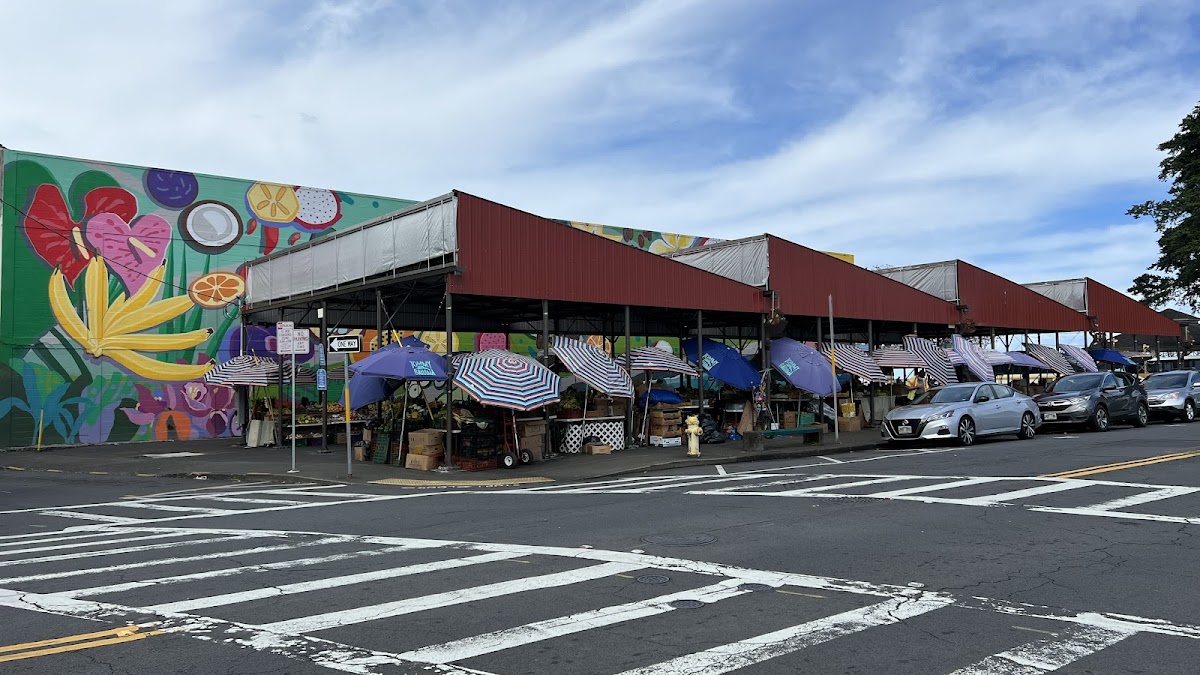
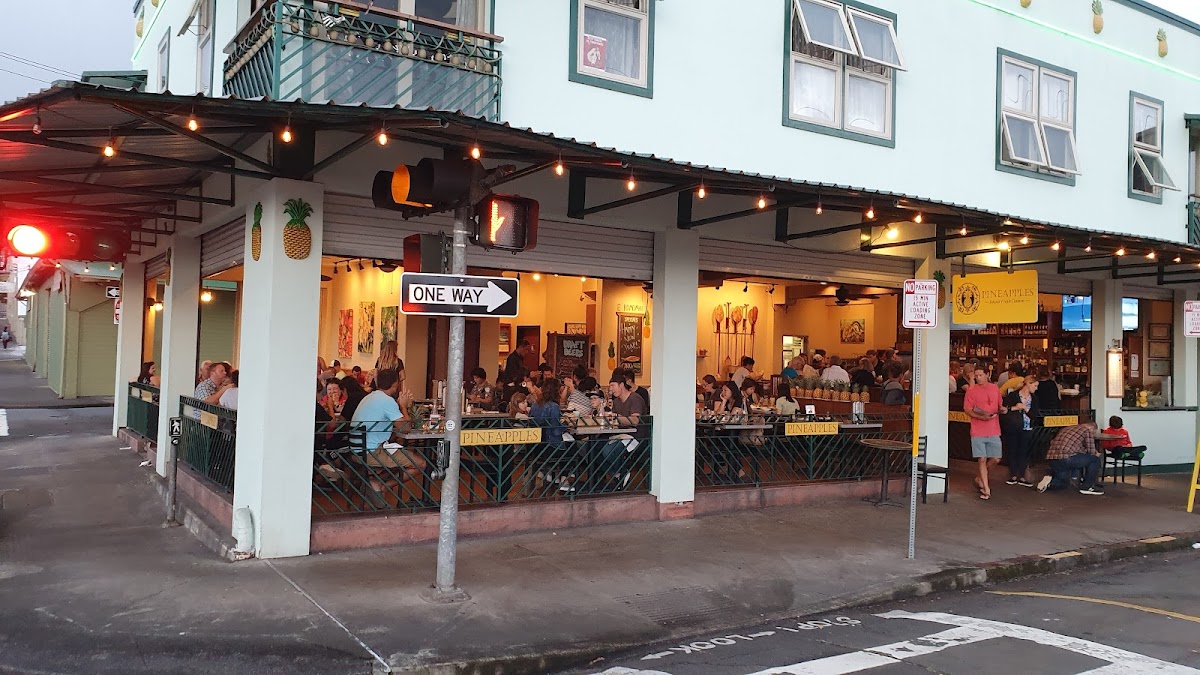
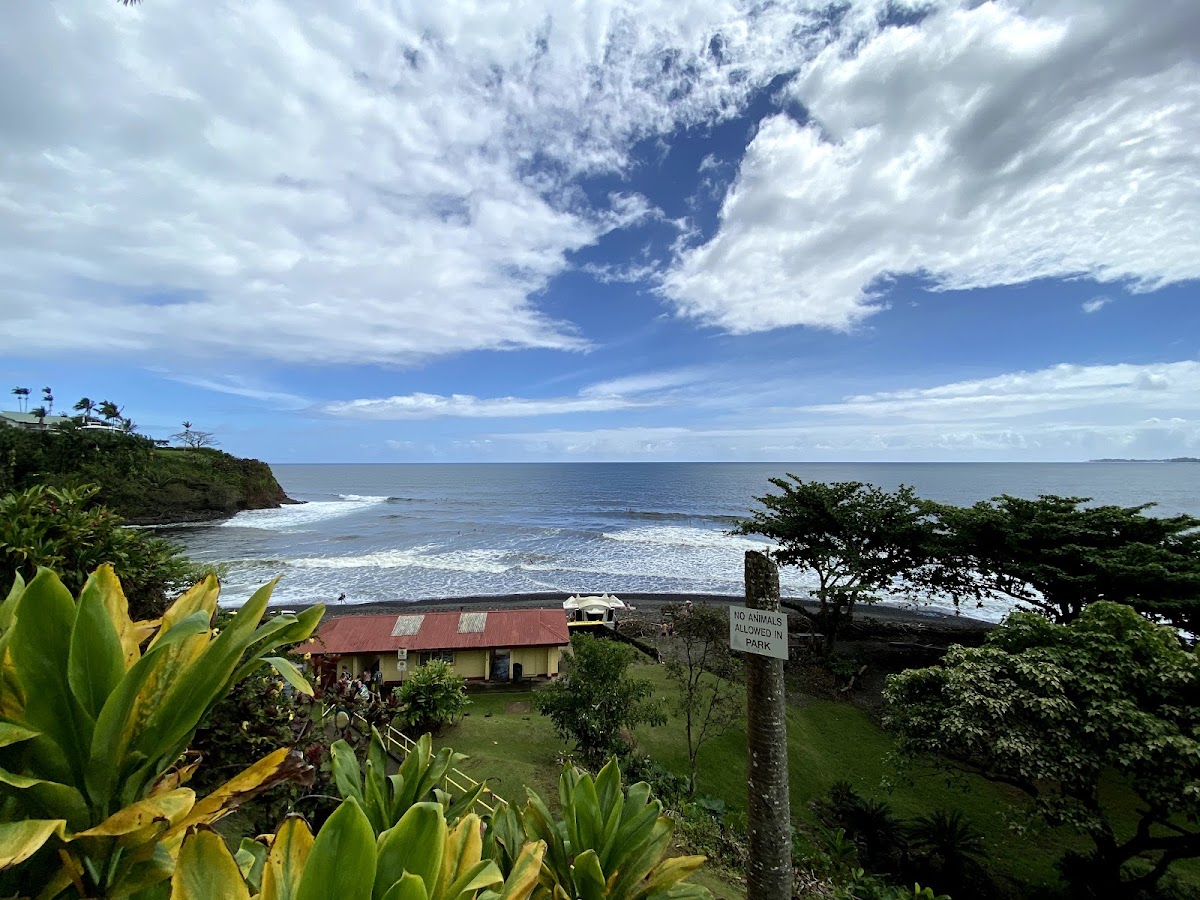
Hilo is the Big Island's rainy, lush counterpoint to Kona's dry resort scene—think tropical garden vibes with a genuine small-town feel. The downtown area along Kamehameha Avenue has that authentic local Hawaii energy you won't find in tourist zones, plus some surprisingly good food spots tucked into unassuming buildings. This is where you come for dramatic waterfalls, farmer's markets that locals actually shop at, and easy access to Hawaii Volcanoes National Park.
Best Way to Spend Your Time
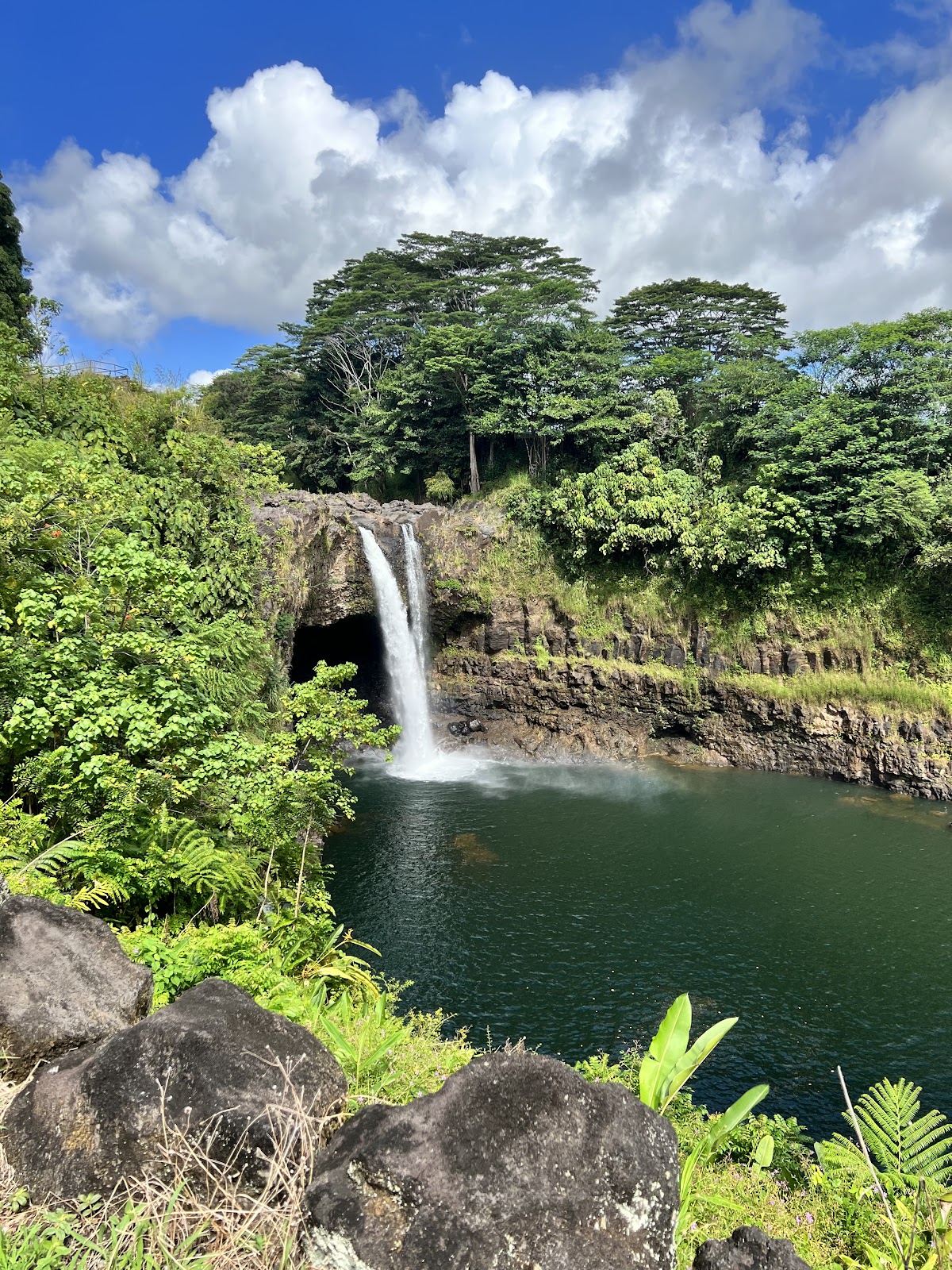
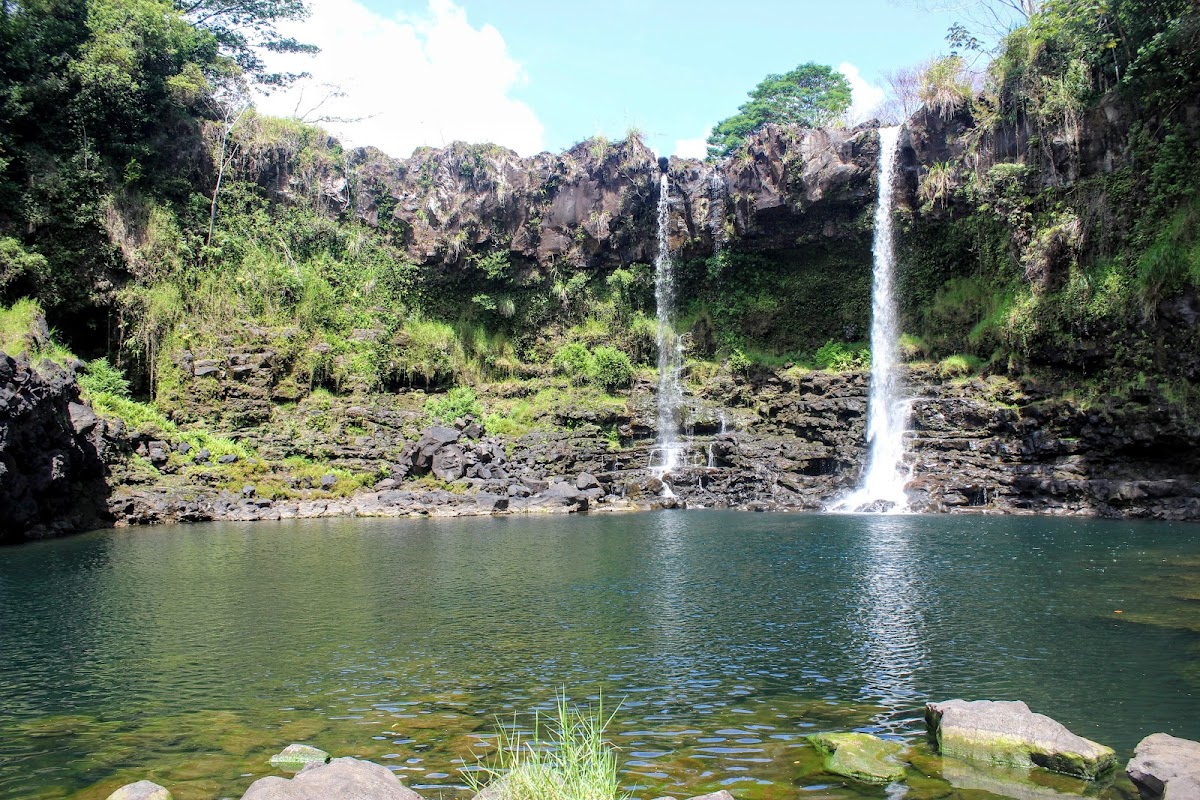
Start early at Rainbow Falls or Akaka Falls before the tour buses arrive—the morning light is better for photos anyway. Spend your afternoon wandering downtown Hilo, especially if it's Wednesday or Saturday when the farmer's market is in full swing on Mamo Street. Skip the generic shave ice spots and head to local favorites like Suisan Fish Market for poke or Cafe 100 for loco moco where it was invented.
Weather Reality Check
Hilo gets about 130 inches of rain annually, so pack a light rain jacket and embrace the liquid sunshine—it's what makes everything so gorgeously green. The rain usually comes in brief bursts rather than all-day downpours, and it's often sunny and drizzling simultaneously. Don't let a little moisture scare you away from the waterfalls; they're most impressive when it's been raining anyway.
Frequently Asked Questions
How long should I spend in Hilo?
Two to three days is perfect for experiencing Hilo properly without rushing. You can see the main waterfalls and downtown in one day, but having extra time lets you explore Hawaii Volcanoes National Park and maybe catch both the Wednesday and Saturday farmer's markets.
Is Hilo better than Kona for first-time Big Island visitors?
It depends what you're after—Kona has the resorts and sunny beaches, while Hilo offers the authentic local experience and natural beauty. If you want to see the 'real Hawaii' and don't mind some rain, Hilo is actually more interesting than the Kona resort strip.
What's the best time of day to visit Hilo's waterfalls?
Early morning between 8-10am is ideal—you'll beat the crowds and get better lighting for photos. Rainbow Falls literally creates rainbows in the morning mist, and Akaka Falls is most impressive before tour groups arrive around 11am.
Where should I stay in Hilo?
Downtown Hilo puts you walking distance from restaurants and the farmer's market, while staying near the Banyan Drive area gives you more hotel options with Hilo Bay views. Avoid staying too far out toward Mountain View unless you plan to spend most of your time at the volcano.
Can I see lava from Hilo?
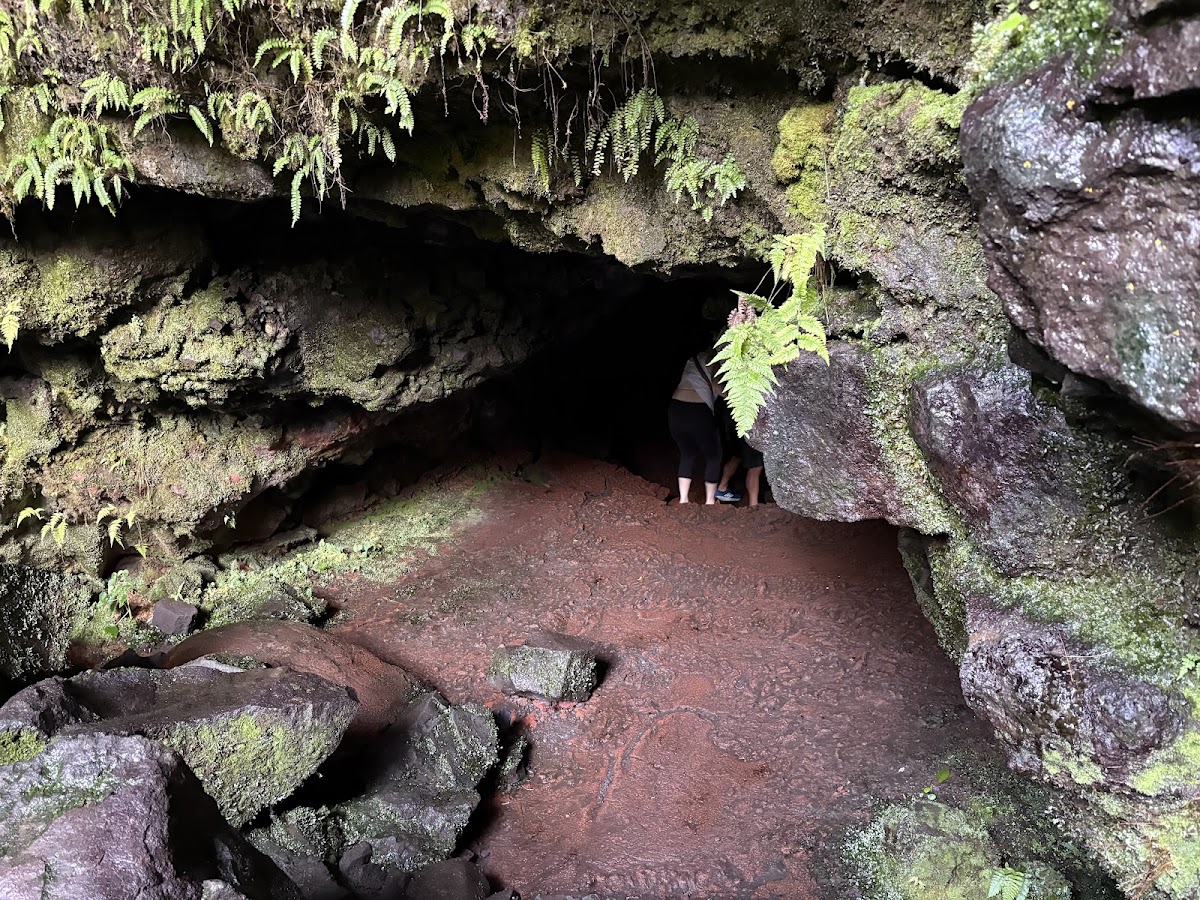
Hilo is about 45 minutes from Hawaii Volcanoes National Park where you can see active volcanic activity, though actual flowing lava sightings depend on current volcanic conditions. The park always has impressive crater views and volcanic landscapes even when lava isn't actively flowing.