
🏄 Activities
15 spots
From stargazing atop Mauna Kea to snorkeling with manta rays at night, the Big Island's activities are bucket-list caliber. This is Hawaii at its most adventurous.
Ocean Adventures That Actually Deliver
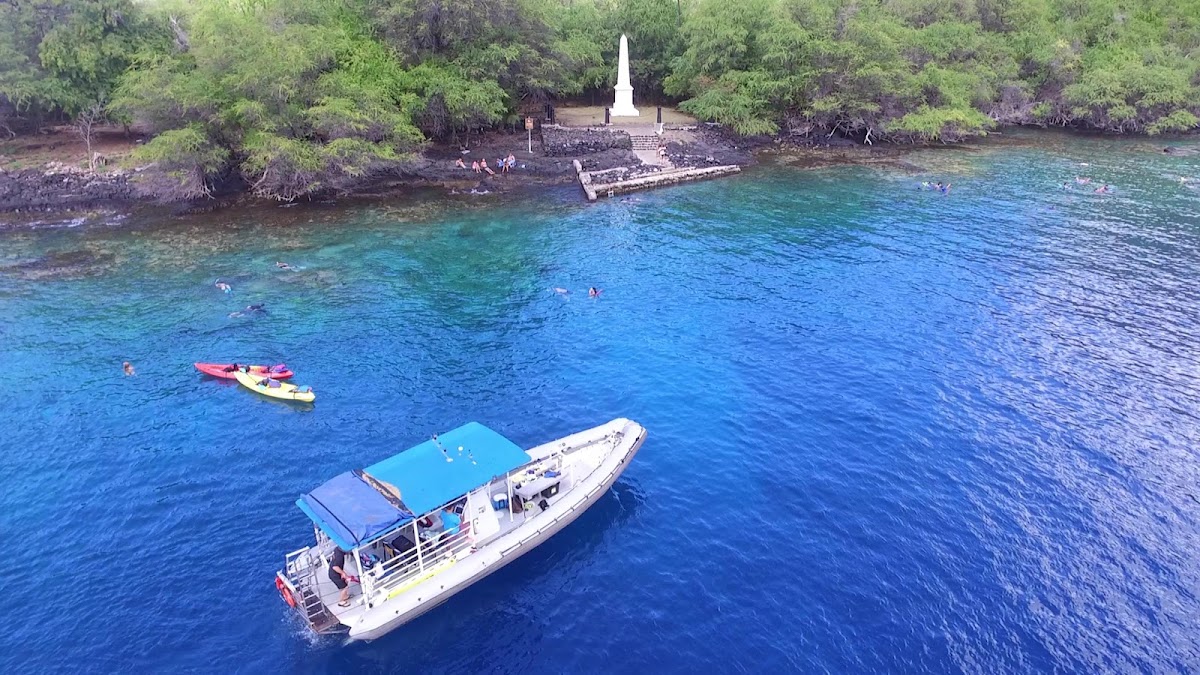
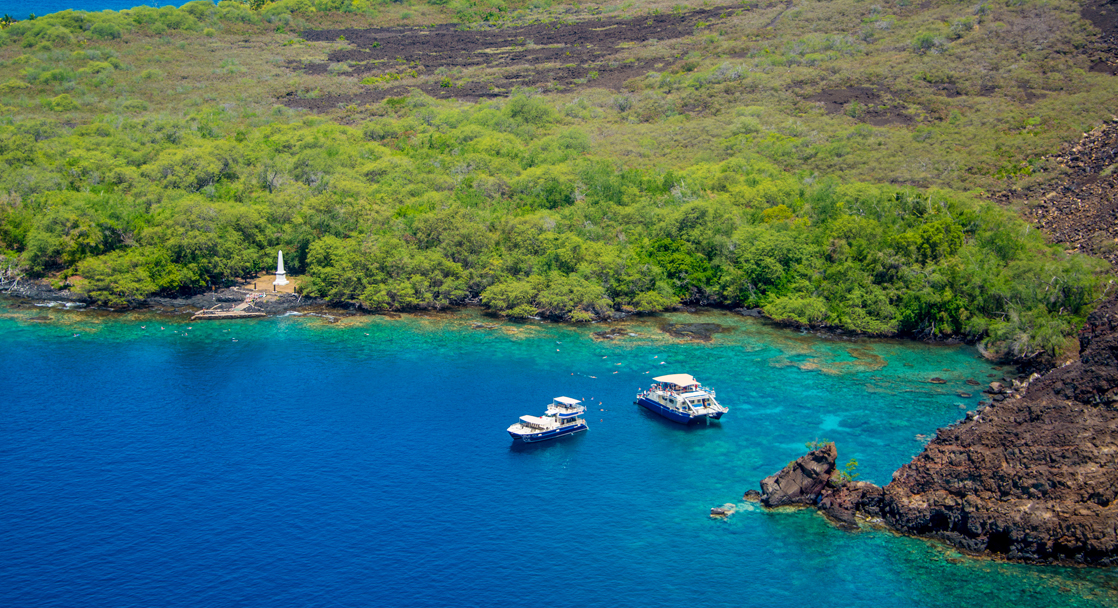
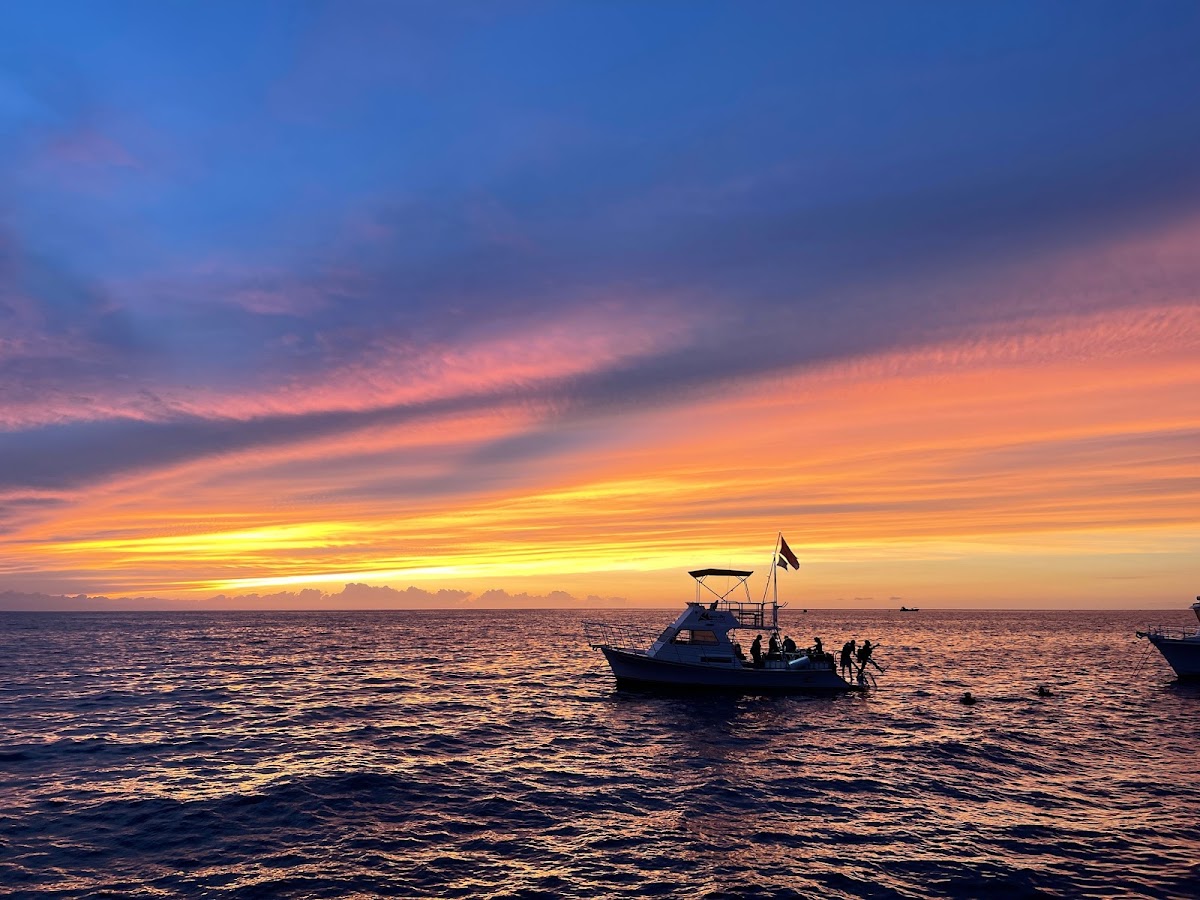
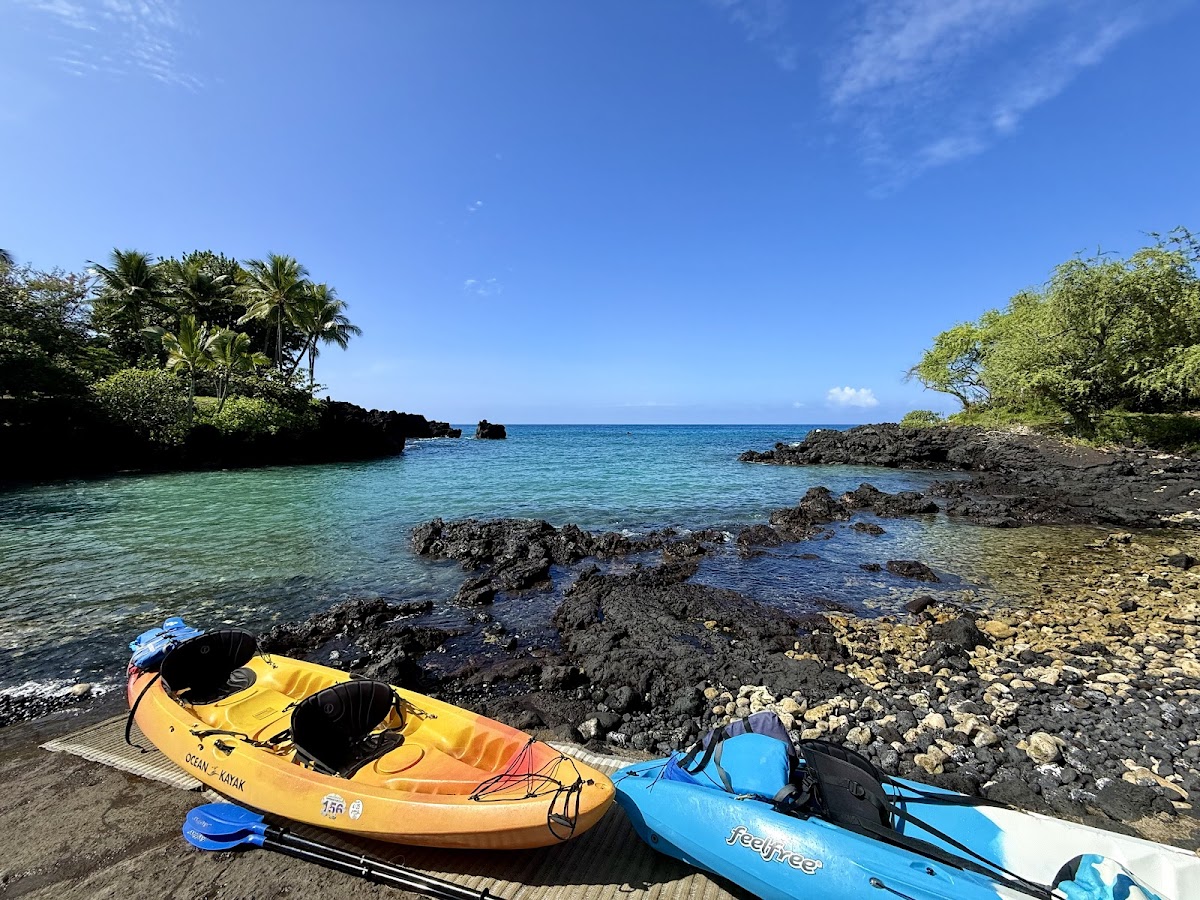
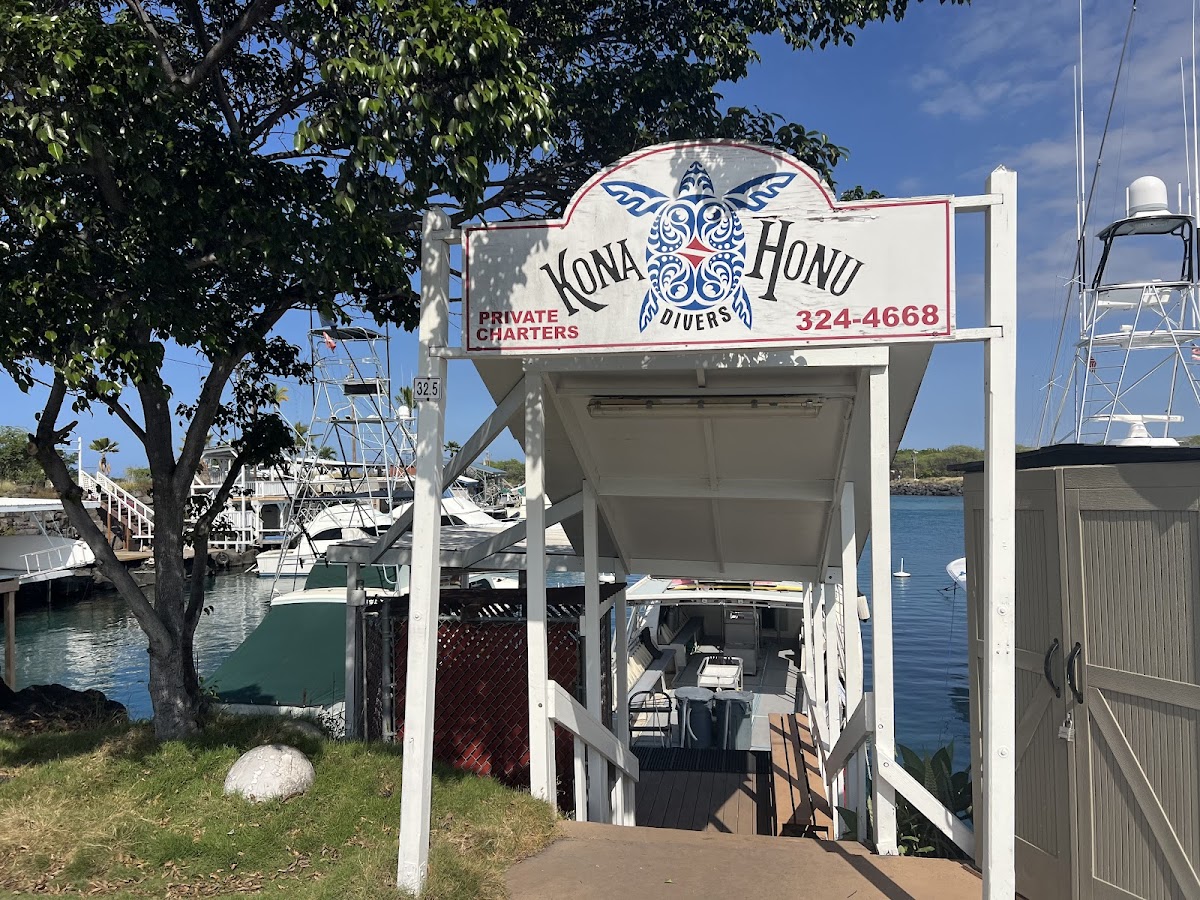
The Kona Coast is where you want to be for the Big Island's best snorkeling and diving—Kealakekua Bay is legendary for a reason, with spinner dolphins and coral reefs that'll spoil you for anywhere else. Captain Cook Monument is the crown jewel, but you'll need to kayak or take a tour boat to get there. Skip the crowded Kohala Coast resort snorkel spots and head south to Honaunau Bay (Two Step) instead—easier access, better fish, locals' favorite.
Lava and Landscapes Worth the Drive
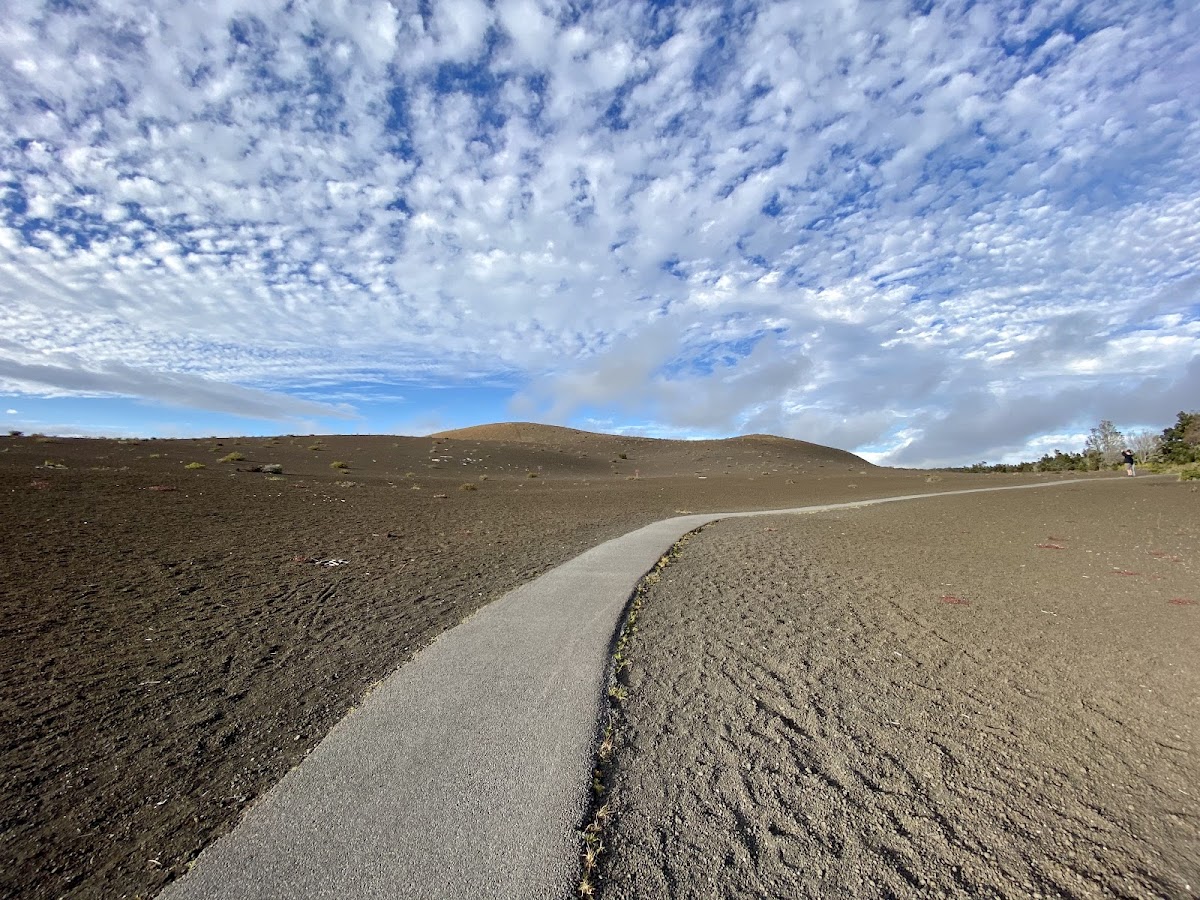
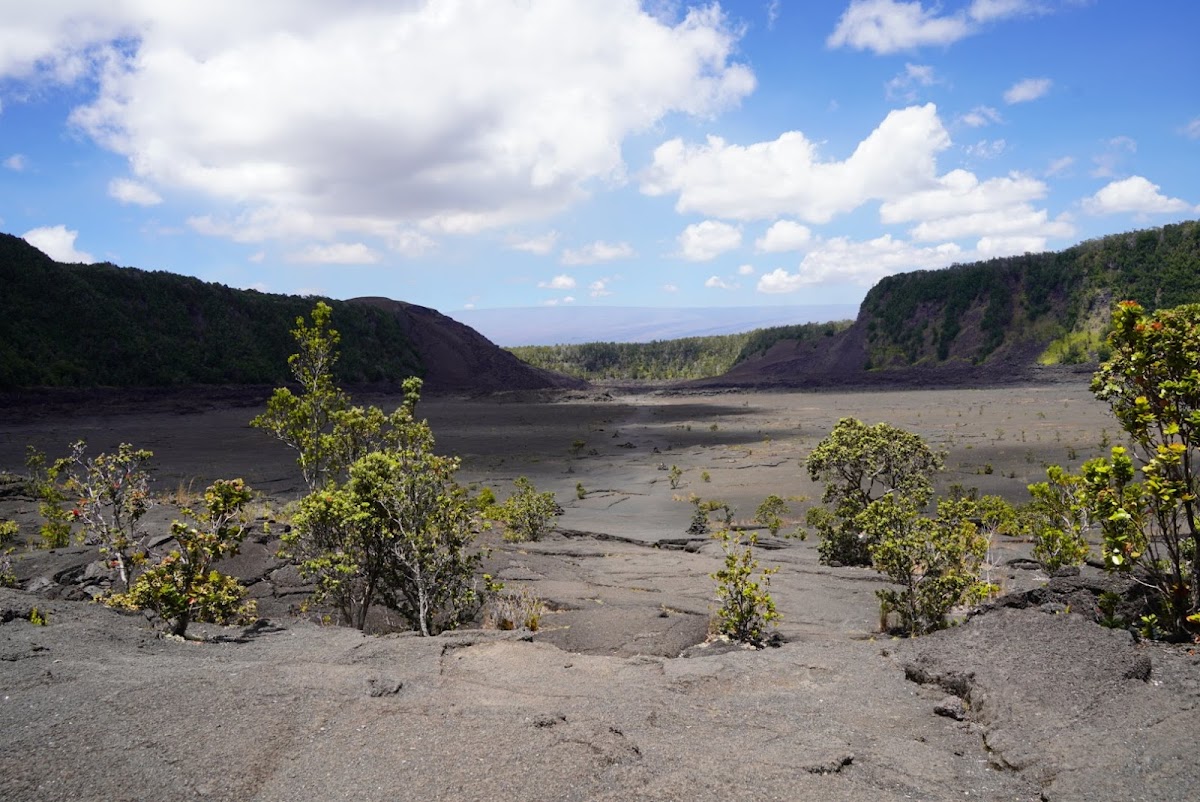
Volcano National Park is obviously unmissable, but most people rush through it—plan to spend at least a full day exploring the Crater Rim Drive and hiking the Kilauea Iki trail. The chain of craters road gives you that otherworldly moonscape feeling you came for. If the volcano isn't actively flowing, the night glow from Halema'uma'u crater is still absolutely mesmerizing from Jaggar Museum overlook.
Adventures for the Ambitious
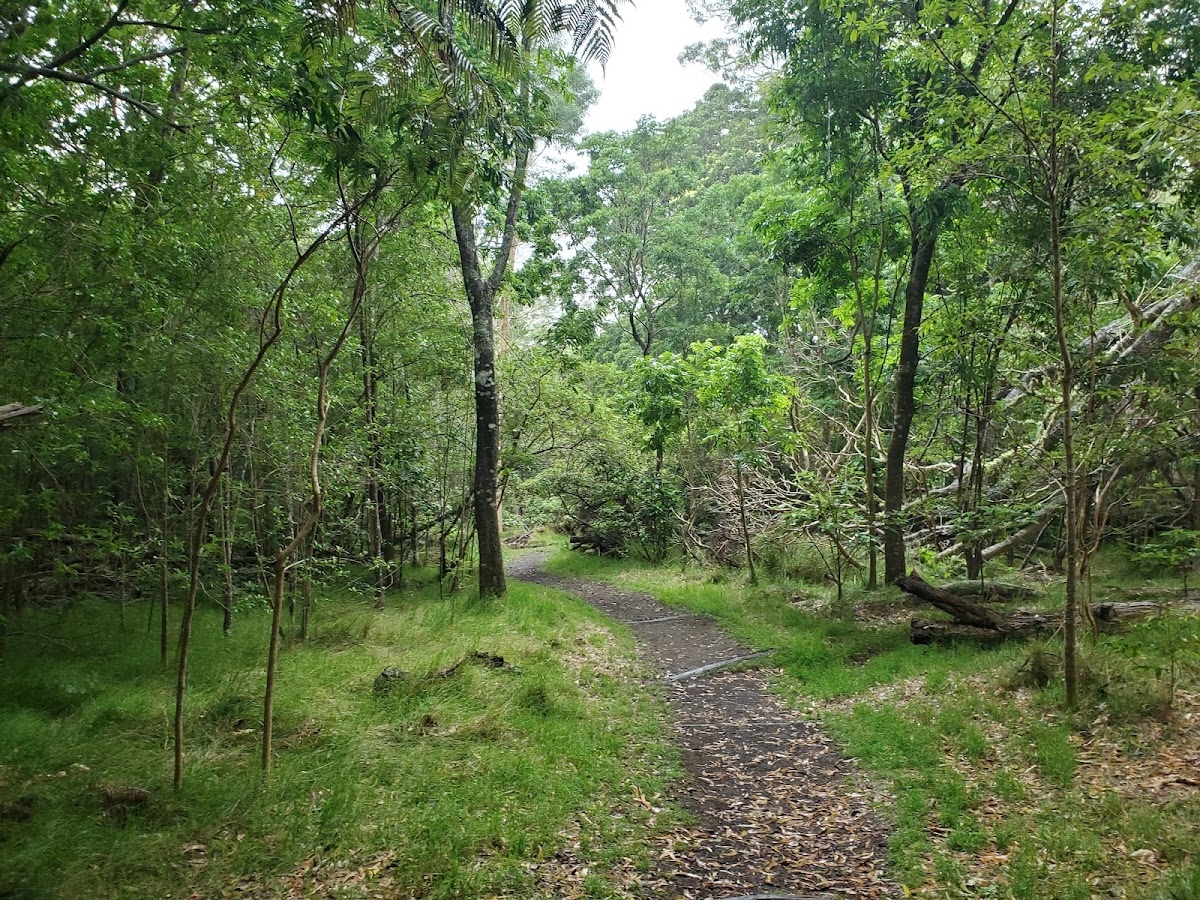
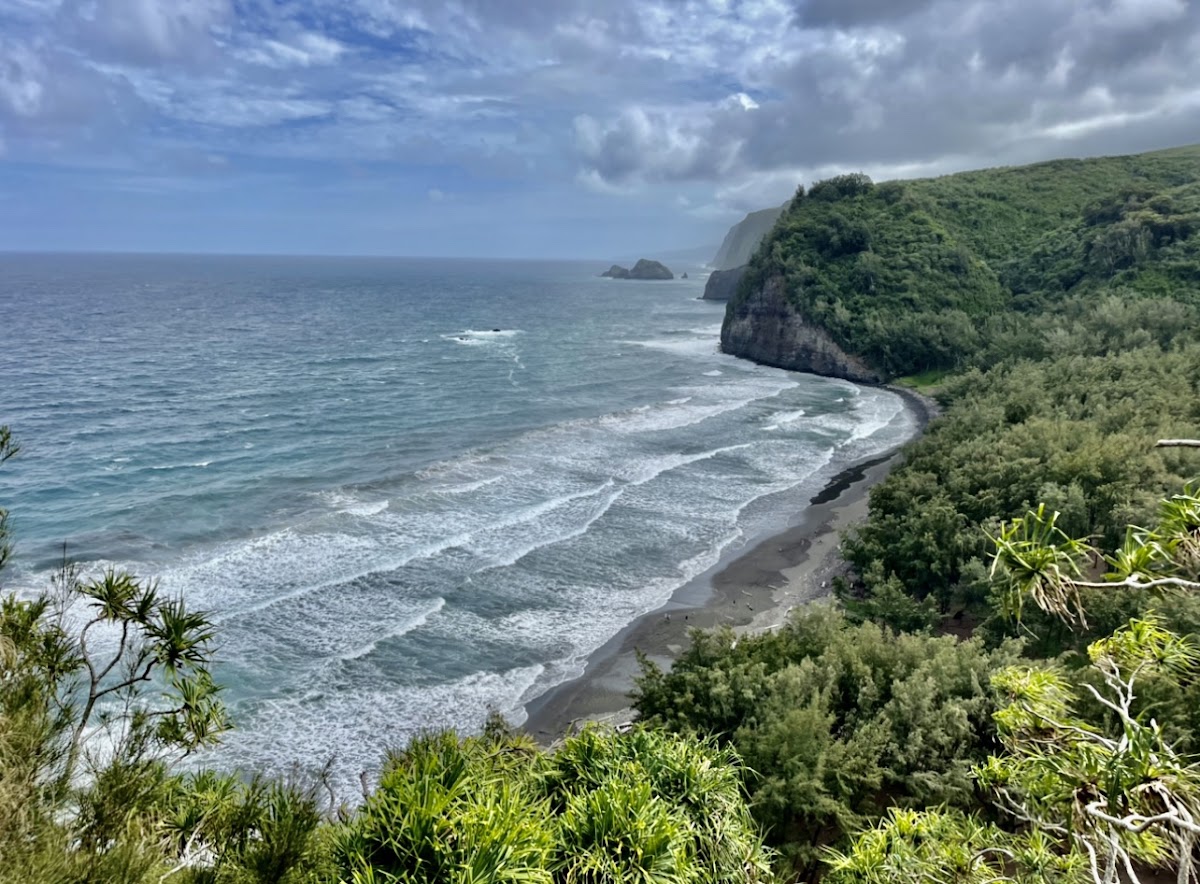
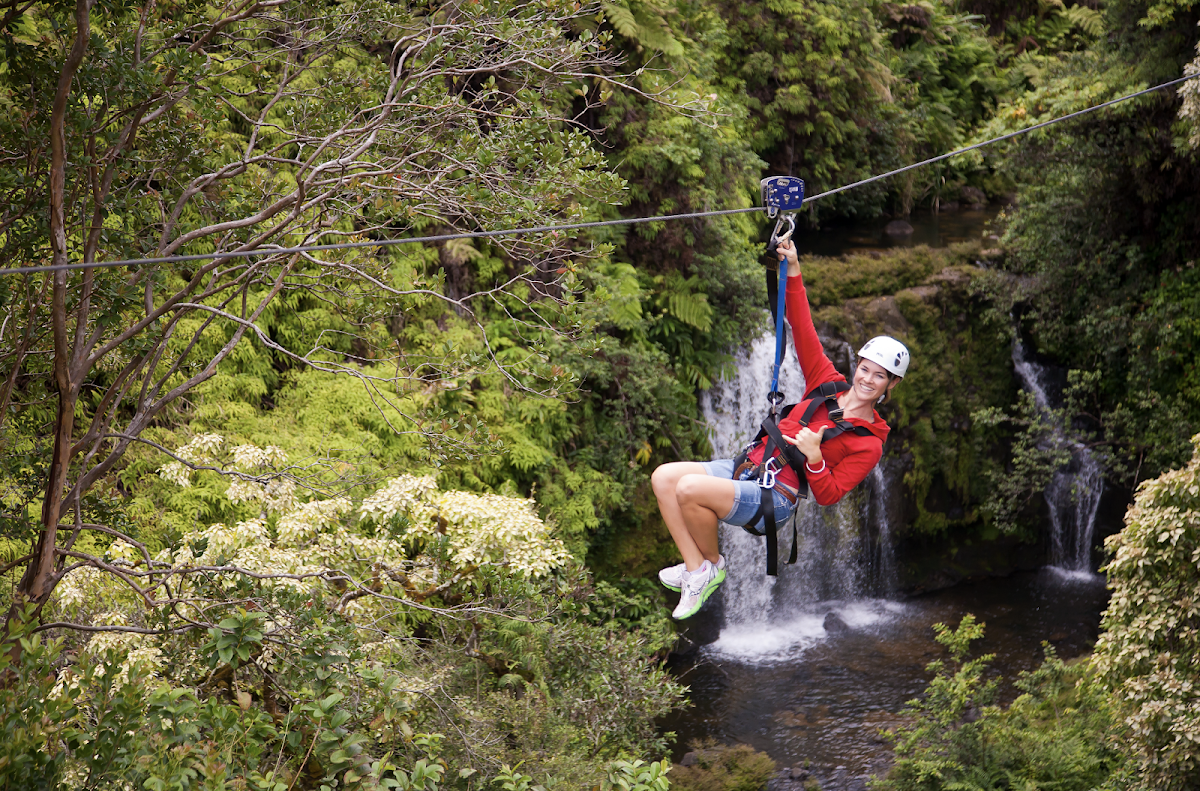
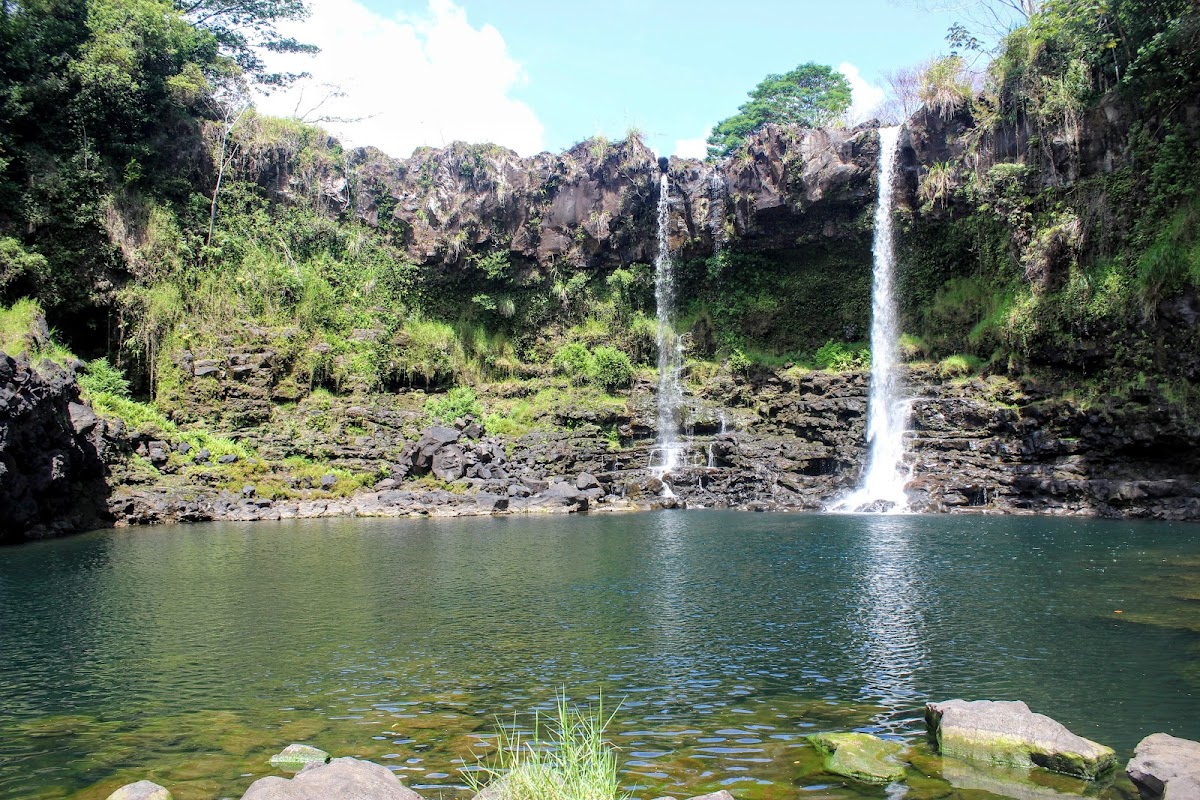
Waimea and the Hamakua Coast offer the island's most dramatic hiking, especially if you're willing to work for it. Waipi'o Valley is stunning but incredibly steep—rent a 4WD or book a tour unless you're genuinely prepared for that grade. The Hamakua Coast's Akaka Falls is an easy win, but combine it with the more challenging hikes around Hakalau Forest for waterfalls without the tour buses.
When to Skip the Obvious Choices
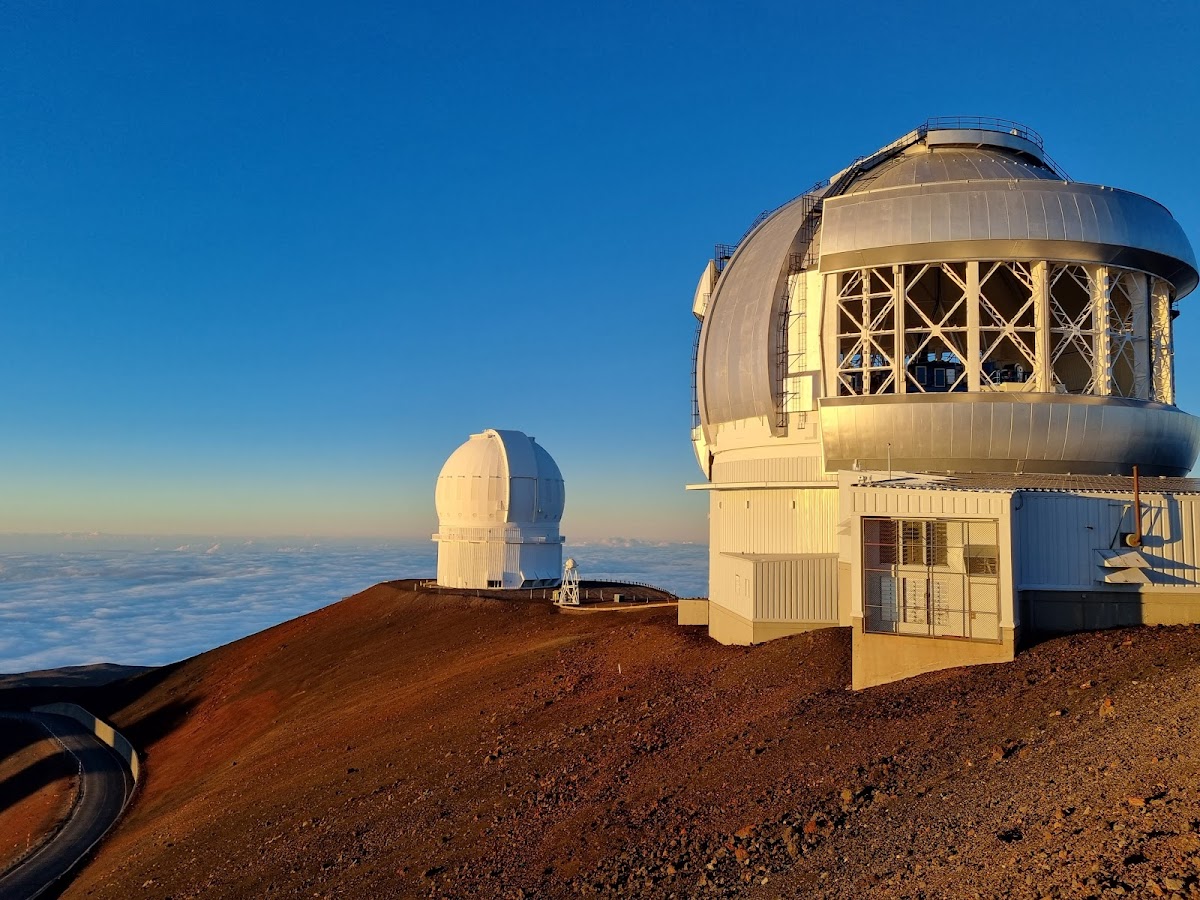
Everyone talks about Mauna Kea for stargazing, but unless you're with a proper tour company, the drive and altitude can be miserable—Mauna Loa's easier access road gives you 90% of the experience with half the hassle. Similarly, while helicopter tours are incredible, the doors-off flights from Hilo give you better volcano views than the Kona departures, and they're usually cheaper too.
Frequently Asked Questions
What's the best time of year for ocean activities on the Big Island?
Summer months (April through October) offer the calmest conditions on the Kona and Kohala coasts, with the best visibility for snorkeling and diving. Winter swells can make boat tours choppy and sometimes cancel them altogether, though the trade-off is better whale watching from December through March.
How much time should I plan for Volcano National Park?
Give yourself a full day minimum if you want to do it justice—the Crater Rim Drive alone takes 2-3 hours with stops, and you'll want time for at least one good hike like Kilauea Iki. If lava is actively flowing, plan for longer since you'll want to see it during both day and night.
Is it worth driving all the way to the Hamakua Coast for waterfalls?
Absolutely, but be strategic about it—combine Akaka Falls with stops in Hilo and make it a full north side day rather than just driving up for one waterfall. The drive itself along the coast is half the experience, with incredible views and multiple waterfall stops if you know where to look.
What ocean activities can I do without a tour?
Two Step (Honaunau Bay) is perfect for independent snorkeling with easy entry and consistent fish life, while Kealakekua Bay requires either kayaking skills or a tour boat. Beach access for swimming is best at Hapuna Beach on the Kohala Coast, though it can get rough in winter.
Are the Mauna Kea stargazing tours worth the money?
Yes, if you book with a reputable company that provides warm gear and handles the driving—the altitude and temperature changes are no joke. DIY stargazing is possible but challenging; the visitor center at 9,000 feet gives you great views without the summit's logistical headaches.